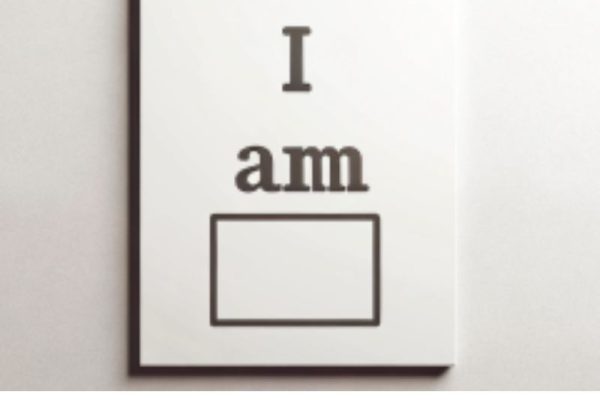
A first then visual is a simple visual strategy that shows a learner what they need to do first, followed by what happens afterwards or what comes next. It helps autistic children (and anyone who finds spoken instructions hard to process) understand expectations, manage transitions and feel more in control.
What is a First Then?
The First Then is a visual strategy that helps a learner know expectations of what they need to do first followed by either what happens afterwards or what they need to do next. It makes the order of events clear and predictable, which can ease worry about what is coming, and it works well as a visual support for transitions.
A First Then visual supports understanding when spoken language is hard to process, especially when a child is tired, anxious or overwhelmed. The “first” is usually a less preferred task or activity and the “then” is a preferred one. Its main goal is to help a learner understand what is happening and what comes next, so tasks and changes feel more manageable. For a step by step walkthrough, see our guide on how to use first-then visuals for transitions. If you would like help practicing this at home, the VARA app gives you daily parent-led activities and a therapist to ask when you get stuck.

How to Use a First Then Visual with Your Child
- Keep it short. Show just two pictures and say only a few words, such as “first shoes, then park”.
- Make the “then” something your child truly enjoys. Use their favorite activities and interests, and let them help choose.
- Make the “first” achievable. Start with small, quick tasks so the visual builds trust that the “then” always comes.
- Always follow through. If the “then” is promised, it needs to happen, or the visual stops feeling reliable.
- Use it in calm moments first. Practice with easy, everyday routines before using it at harder times.
- Watch for distress. If your child is overwhelmed, pause the task. The visual is there to make things clearer, not to push through a meltdown.
First Then Visual Examples
Keep each pair simple and concrete, with a real reward or next step in the “then”:
- First shoes, then park
- First bath, then iPad
- First work, then play
- First homework, then break
- First doctor, then playground
Is a first then board the same as a first then visual?
Yes, they work the same way. A first then board is usually a reusable strip, often laminated with Velcro, where you swap in different pictures as the day goes on. For more on using it to support behavior, see our guide to the first then board. When your child is ready for longer sequences, you can move to a first then next visual or a full visual schedule.

Rachael’s expertise lies in providing tailored interventions to improve the lives of individuals with behavioral challenges. In addition to her role with Autism360, she also enjoys serving as an Adjunct Instructor at Arizona State University, she not only imparts her knowledge but also inspires the next generation of behavior analysts. Rachael’s commitment to education is paralleled by her pursuit of a PsyD in Clinical Psychology, where she’s actively working to deepen her understanding of human behavior. Her friendly and upbeat demeanor, combined with her passion for helping others, make her a valuable asset in the world of behavior analysis and psychology. Rachael is also proud to identify as neurodivergent, bringing a unique perspective and empathy to her work.