
The First Then Next is a visual strategy that shows your child what is happening first, what comes then, and what comes next. Seeing the order of the day in pictures makes it more predictable and easier to manage.
What is a First Then Next?
A First Then Next visual is a simple three-step strip of pictures. It shows two things that will happen in order (first, then), followed by what happens afterwards (next). It builds on the familiar “first then” visual by adding one more step. Many families use it to help with transitions and to make less preferred tasks easier, because a child can see that something they enjoy is coming. It follows the same idea as the First-Then strategy for tricky moments.
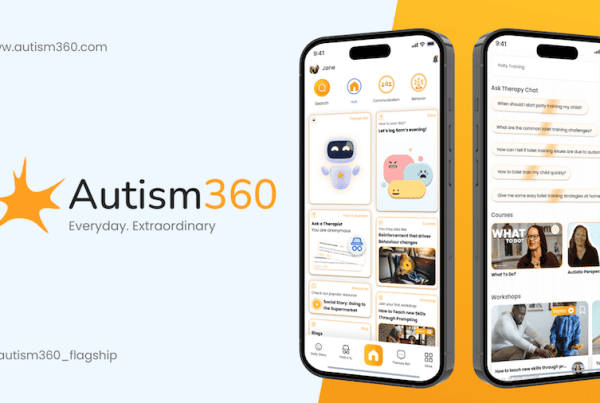
A First Then Next visual supports understanding when spoken language is hard to process, especially during busy or stressful moments. Often the “first” and “then” are less preferred tasks and the “next” is something your child enjoys. Its main goal is to make the day predictable, so your child knows what to expect and feels less anxious. If transitions are often hard, you can ask an autism therapist for ideas in the VARA app.
How to use a First Then Next visual schedule
- Start with First Then. If three steps feel like a lot, begin with a two-step first then visual schedule and add “next” later.
- Use pictures your child knows. Real photos or familiar symbols work best.
- Keep the “next” real. Always follow through with the enjoyable activity so your child can trust the visual.
- Point and say it simply. “First shoes, then car, next park.”
- Be flexible. If your child is overwhelmed, pause, help them calm down and change the plan if needed.

First Then Next Visual: Common Questions
Should I use a first then visual or a first then next?
Start with a two-step first then visual if your child is new to visual supports or finds waiting hard. Move to first then next once your child understands the idea and can manage one more step before the activity they enjoy. Many families keep both and pick the one that suits the moment.
If first then does not seem to click yet, behavioral specialist Ella Bailey, who coaches Autism 360 families, suggests making early success easy and reliable. Start with two things your child already loves, such as first trucks, then books, and follow through every time so your child learns that “then” always comes. Once that trust is there, swap the first step for something a little less preferred. As she puts it, “All we’re doing is setting up that temporal scaffold for them to follow.”
Why do pictures help so much? Speech pathologist Stacy Badon, who coaches Autism 360 families, explains that words like “after” are abstract. For a child who thinks in concrete terms, “after” could mean hours or even days. Showing a photo of what is coming makes the order visible and the end point clear. “Our children are concrete thinkers and concrete thinkers need to see it, touch it, and know and get something that they can have tangible to attach it.”
Is this first then next visual free to print?
Yes. Use the “Download This Visual Resource” button to get the printable. Laminate it, add Velcro dots and make small picture cards for everyday activities so you can swap them in and out. For more ways to prepare your child for changes, see our transition cards.
How can you keep track of which First Then Next plans work?
A First Then Next works best when the “next” truly motivates your child, and favorites change over time. Keeping a short record helps you spot what lands. A paper notebook works too: jot down the three steps you used, the time of day and how it went. After a week or two, patterns start to show, like a board that works well before school but not after dinner, or a “next” that has lost its pull.
The Daily Diary in the VARA app makes these notes quick, so the habit is easier to keep going. Add a short entry about the steps you practiced, what happened, and the wins and challenges. Short, messy entries are fine. Over time you can look back and see which plans made transitions feel easier, so you are not relying on memory when you talk with your child’s team.
 Daily Diary

Rachael Young is a behavior analyst with Autism 360, specializing in tailored, evidence-based support that improves daily life for children and their families. She is an Adjunct Instructor at Arizona State University, where she trains the next generation of behavior analysts, and is completing a PsyD in Clinical Psychology to deepen her clinical practice. Rachael is proud to identify as neurodivergent, and that lived perspective shapes the empathy and practicality of her work. She writes about ABA, autism in girls and women, co-occurring conditions and the teen years.