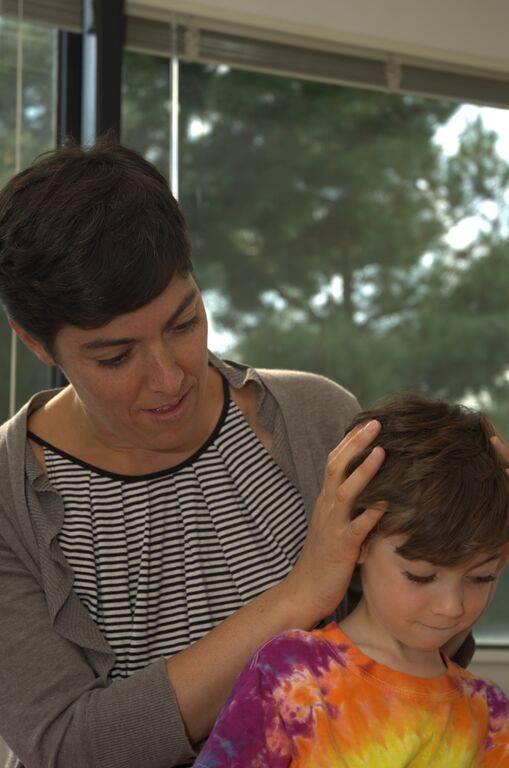
Explore a glimpse of our insightful webinar on Autism and PDA. Dive into the full webinar experience through the Autism 360 app here.
Unlocking Child Development Through Play:
Play-based interventions offer transformative opportunities for children with autism, enhancing their ability to learn and grow through structured play. This approach has garnered significant support within the therapeutic community for its effectiveness in fostering holistic development in children on the autism spectrum. For an in-depth exploration of these techniques, visit Autism 360.
Understanding the Benefits of Play-Based Interventions
Play-based interventions are not just about fun and games; they are a critical educational tool that taps into the natural tendencies of children to explore and engage. These interventions are especially beneficial for children with Autism Spectrum Disorder (ASD), as they enhance social interactions, communication skills, and emotional regulation in a supportive setting.
1. Holistic Development: Play naturally integrates physical, cognitive, and emotional growth. Activities like art projects not only improve motor skills but also encourage social interaction and creativity.
2. Increased Engagement: For children with ASD, play-based methods boost motivation and enjoyment, which are crucial for effective learning. The enjoyable nature of play helps sustain engagement over longer periods, enhancing the overall learning experience.
Implementing Play Therapy at Home
Practical application of play therapy techniques can be seamlessly integrated into daily routines at home, providing a comforting environment that encourages learning and development.
1. Sensory Play: Engaging children in activities like finger painting or sand play helps them explore different textures and materials, stimulating sensory development and cognitive processing.
2. Role-Playing and Storytelling: Encouraging children to participate in storytelling or imaginative play fosters their ability to think critically and solve problems creatively, enhancing both language skills and emotional understanding.
Technological Advances in Play Therapy
The integration of technology into play therapy represents a significant advancement in therapeutic practices. Virtual reality, interactive games, and apps provide immersive experiences that make learning exciting and accessible.
Virtual Reality and Augmented Reality: These technologies offer immersive environments that can simulate real-world scenarios for children to navigate, providing a safe space to practice social skills and problem-solving.
Interactive Educational Games: Apps and games designed for educational purposes can be tailored to individual learning styles, making them a versatile tool in play therapy.
Enhancing Resiliency and Social Skills Through Play
 Play therapy is instrumental in building resilience, teaching children to navigate emotions and social situations more effectively.
1. Developing Coping Strategies: Through play, children learn to manage challenges and setbacks, fostering resilience that helps them face real-world situations with confidence.
2. Improving Peer Relationships: Cooperative play activities such as group games teach children the value of teamwork, sharing, and empathy, essential for building strong social connections.
Check out a snap preview on our webinar on Play Therapy for Children with Autism below
To watch the full replay and to get access to hundreds of Autism resources, download the Autism 360™ App  https://www.autism360.com
The Future of Play Therapy
Looking forward, the field of play therapy is set to evolve with new technologies and methodologies that will further enhance its effectiveness.
1. Gamification: The use of game mechanics in non-game contexts, like education, can significantly increase a child’s motivation and engagement in learning activities.
2. Wearable Technology: Devices that provide reminders and interactive feedback could offer new ways to support children with autism in managing their daily activities and social interactions.
Conclusion:
The insights from the Autism 360 webinar highlight the profound impact of play-based interventions in supporting the development of children with autism. These interventions not only make learning more engaging and enjoyable but also equip children with essential life skills. As we continue to innovate and integrate new technologies into play therapy, the potential to improve therapeutic outcomes for children with autism grows exponentially.
For more information and resources on implementing these strategies, be sure to watch our webinar from the Autism 360 here.

Rachael’s expertise lies in providing tailored interventions to improve the lives of individuals with behavioral challenges. In addition to her role with Autism360, she also enjoys serving as an Adjunct Instructor at Arizona State University, she not only imparts her knowledge but also inspires the next generation of behavior analysts. Rachael’s commitment to education is paralleled by her pursuit of a PsyD in Clinical Psychology, where she’s actively working to deepen her understanding of human behavior. Her friendly and upbeat demeanor, combined with her passion for helping others, make her a valuable asset in the world of behavior analysis and psychology. Rachael is also proud to identify as neurodivergent, bringing a unique perspective and empathy to her work.