Yes, maternal diet may influence the risk – but it does not directly cause ADHD. Research suggests that what a mother eats during pregnancy can support or hinder a baby’s brain development. Diets low in key nutrients such as iron, iodine, folate, omega-3 fatty acids, and protein may increase the likelihood of attention and behavioral difficulties later in childhood. On the other hand, diets high in processed foods, added sugars, and unhealthy fats have been linked to a higher risk of ADHD-like symptoms in some studies.
However, ADHD is a complex neurodevelopmental condition. Genetics, prenatal health, environment, and early childhood experiences all play major roles. Maternal diet is one contributing factor, not the sole cause.
“Now, class, today we’re going to talk about the origins of life. All life began in the sea and…Keith, would you be quiet and listen to me while I’m talking?” Keith is a 6-year-old boy and he seems to be unable to stay put. While other students in the class find it easy to sit still through the 40-minute lecture, Keith just has to move. He drums his fingers on the desk, he drags his boots along the floor, he attempts to chat with his neighbour. Keith is one of the thousands who suffer from Attention Deficit Hyperactivity Disorder.
They say you are what you eat. This adage has proven itself to be true time and again. There is a strong correlation between our physical health and our diet. A good diet, good life; bad diet, bad life. Over the years there has been increased research into the connection between diet and various mental states. For example, it is a well-known fact that chocolate can leave you feeling euphoric. But beyond the surface, many serious mental conditions have been proven to be linked with certain food substances in our diet. One of such conditions which have been linked to diet is Attention Deficit Hyperactivity Disorder.

Can maternal Diet Affects the Risk Of ADHD
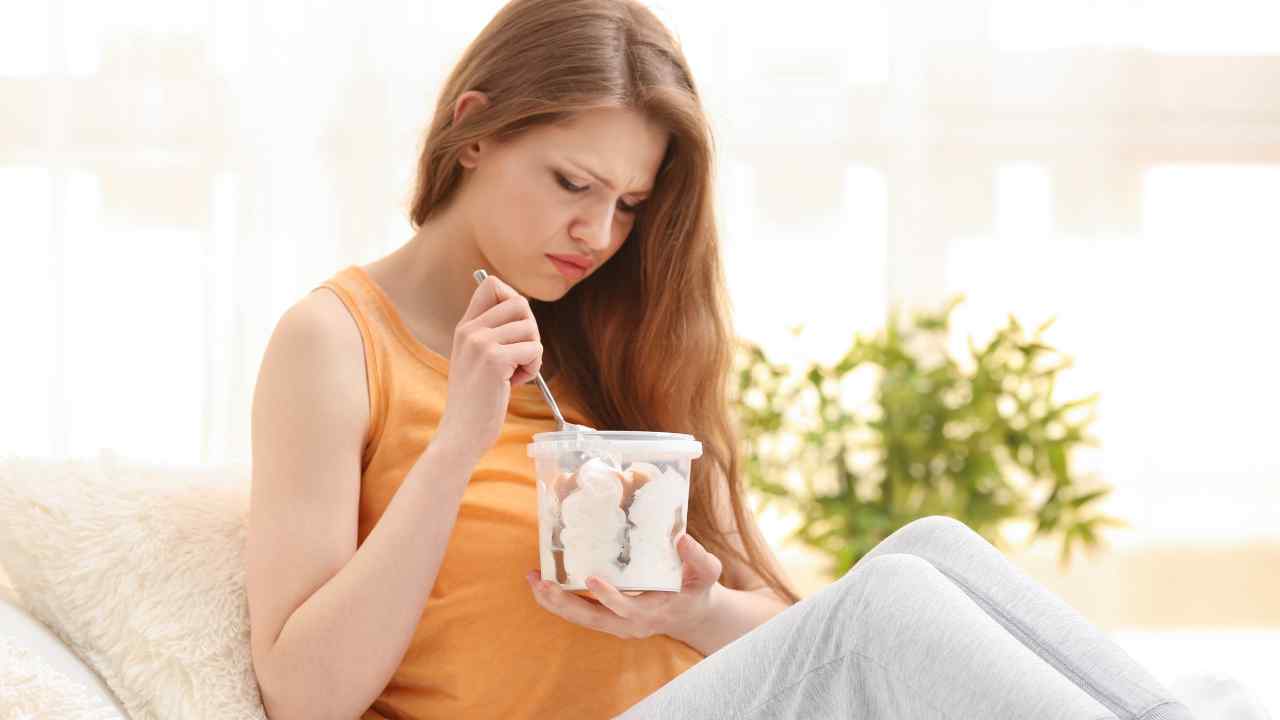
But ADHD takes it even one step further. Multiple studies have shown that substances taken by a pregnant woman may cross the placental barrier and affect the baby in her womb, leading to various conditions including ADHD. Such substances may not necessarily be hard drugs (although some hard drugs do cross the placental barrier and cause malformations). Commonplace foods like doughnuts, pizza, chocolate velvet cake, and ice cream have been implicated in increasing the risk of ADHD in the unborn child.
How do these comfort foods increase the risk of Attention Deficit Hyperactivity Disorder, you may ask. This is how it works. A lot of these foods contain omega-6 fatty acids. The ratio of omega-6 to omega-3 fatty acids is very essential to proper brain development, and an increase in this ratio can predispose the unborn child to neurological issues like ADHD. In addition, a lot of these foods contain too much sugar and trans fat. These substances, in excess, are bad enough on their own. When ingested in sufficient quantities by a pregnant woman, they manage to cross the placental barrier and cause methylation of so many genes in the fetus including the gene for Interstitial Growth Factor 2. These methylated genes are silenced and as such can no longer produce the proteins there are meant to produce. This is bad as some of these proteins are essential to proper brain development.
So, what is the way forward? Prudence is the way forward. Expectant mothers and women of child-bearing age who are likely to get pregnant should be careful of their diet. Yes, you really should cut down on all that cake. And do you really need an extra helping of dessert? Your prudence in diet during your pregnancy period could be the key that helps your child pay better attention during classes, priming him or her for a more successful life.
📌 MUST READ:
ADHD Diet Plan
Do Children with Autism or ADHD have Sleep Problems?
Conclusion :
A mother’s diet during pregnancy may play a meaningful role in a child’s brain development and future attention skills. While food alone does not cause ADHD, poor nutrition, high sugar intake, or lack of key nutrients may increase risk in some children. A balanced diet rich in fruits, vegetables, whole grains, and healthy fats supports both maternal health and healthy brain growth in babies. In the end, small, healthy food choices during pregnancy can make a big difference for a child’s long-term well-being.

I am Ash and I celebrate Neurodiversity! Growing up with an elder brother with severe Autism was tough – but it has also taught me essential life lessons. I don’t believe that people with Autism are necessarily or have any disorder (except in extreme cases). They are just different! And that is something to be proud of! I am passionate about helping other families who may have Autism conditions in their family. So please reach out and drop me a note. I will be glad to help 🙂