
In this post, we cover the fundamentals of Autism Toilet Training. Teaching any child to use the toilet can be hard work. For an autistic child, building a toilet routine can take longer and bring some unique challenges, and that’s completely okay. This article will help with toilet training any child with Autism Spectrum Disorder, at their own pace.
Key takeaways: autism toilet training
- Autism toilet training can take longer and bring unique challenges, and that is completely okay, so go at your child’s own pace.
- Readiness skills matter more than age in potty and toilet training, such as imitating, communicating and staying dry for an hour or two.
- Three methods help: visual boards, small specific steps and motivation that celebrates each step your child achieves.
- Make the bathroom comfortable with a seat insert, a footstool, softer lighting and no loud fans or hand dryers.
- Stay calm about accidents and regression, return to visual steps and regular toilet times, and talk to your doctor if they continue.
Unique Approach to Autism Toilet Training
CLICK HERE TO LEARN MORE ABOUT THE AUTISM POTTY TRAINING COURSE
There are a few things to think about before you start toilet training. Choose a time when life is calmer and you can focus on it, because it can be stressful for everyone. In the long run, you’ll be glad you did.
Children with ASD (autism spectrum disorder) often experience some differences that affect toilet training, such as sensory sensitivities, communication differences, confidence and attention.
Sensory sensitivities are differences in how the senses (sight, sound, smell, touch or taste) are experienced, which a child with Aspergers or High-Functioning Autism may have. The Aspergers child often experiences differences in at least one of these areas, though this varies from person to person. Some children have sensory differences in several areas, or all of them. Bathrooms can be a lot: echoing flushes, loud hand dryers, bright lights, strong smells and cold seats.
Now let’s talk about communication. Kids with ASD often communicate in their own ways and may find it harder to tell you, or show you, that they need to go. Some children are still developing spoken language or find it hard to process what people say to them, especially when they’re busy or overwhelmed. They may also use gestures, eye contact and facial expressions differently, so their signs of needing the toilet can be easy to miss.
A lot of children with ASD have had many experiences of finding things hard, which can affect their confidence. Toilet training involves lots of accidents along the way, so it’s important to keep it low-pressure and celebrate small steps.
Children with ASD may find it hard to focus on activities that don’t interest them, such as sitting on the toilet when they’d rather be playing. That can make toilet training challenging for parents, but it also gives you a clue: make the toilet routine more predictable, more comfortable and a little more interesting.
Signs Your Autistic Child Is Ready for Toilet Training
There’s no perfect age to start. Readiness skills matter more than a birthday. Ask yourself these questions:
- Can they imitate? If you clap or dance, do they copy you? Toilet training involves watching and copying steps like sitting, pulling down pants and washing hands. If imitation is still emerging, build it through play first.
- How do they communicate? Your child doesn’t need to speak. Many children use pictures, signs or a device. It helps if they understand a simple instruction like “Let’s go to the bathroom”, supported by a visual or sign.
- Are they aware of their body? Some children point to a full diaper or show discomfort when wet. That awareness of internal body signals (called interoception) is a key sign of readiness.
- How long do they stay dry? Staying dry for an hour or two between changes shows some bladder control.
- Are they sensory ready? Notice whether noise, echoes, cold seats or the feel of toilet paper or underwear is likely to be a barrier, and plan adjustments before you begin.
- Is the family ready? Consistency matters, so avoid starting during a busy or stressful period, and make sure everyone caring for your child uses the same routine.
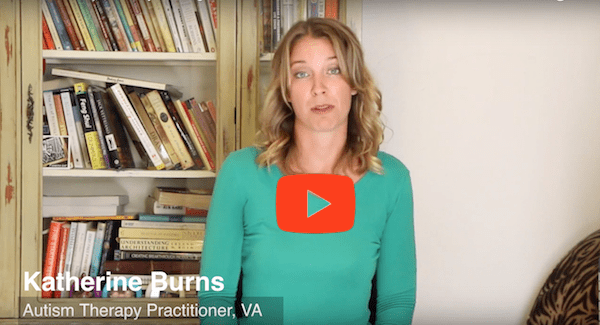
Here’s a short preview from our Toilet Training: Tips and Tricks webinar:
Practical Approach to Autism Toilet Training
In this section we look at the 6 Step Approach to Potty Train any Autistic Child. First, take a look at the infographic below.

A 6 step approach to Toilet Train Kids with Autism
3 Toilet Training Methods
Using these 3 methods across the 6 toilet training fundamentals above can make many of these challenges easier to manage. Here’s how they work.
- The first is using Visual Boards: Show your child pictures of each step of using the toilet, from pulling down pants to washing hands. You can also make a short video of the routine, or use a doll or favorite character to show the steps, which many children find more interesting. Our printable toileting communication cards are ready to use.
- The second is Task Management: Instead of saying “go to the toilet”, break the routine into small, specific steps and teach them one at a time. This makes each step clear and predictable. Our handwashing task analysis shows how this works for the final step.
- The third is Motivation: Many children with ASD lose confidence after lots of accidents. Keep things positive, stay calm when accidents happen, and celebrate each step your child achieves with something they love, such as praise, a sticker, a favorite song or a few minutes with a special toy.
These practical methods for autism toilet training work best with patience and consistency. For more information, check the toilet training link below the video above.
How to Potty Train an Autistic Child: Environment-First Tips
Before asking your child to change, look at what in the bathroom and the routine can change. These tips can help with potty training ASD kids at home:
- Make the toilet comfortable. Add a child seat insert and a footstool so their feet are flat and supported. Warm the seat, soften the lighting and turn off loud fans or hand dryers.
- Use a predictable schedule. Sit on the toilet at the same times each day, such as after waking, after meals and before bath, using a visual timer for how long to sit. A free toileting data sheet helps you find the best times.
- Give your child a way to ask. Teach a toilet sign, a picture card or a word on their AAC device, and respond every time they use it. See also our guide to toilet training a non-speaking child.
- Dress for success. Choose clothes that are easy to pull down, and consider switching to underpants during the day once your child is ready, so they can feel when they’re wet.
- Check their sitting position. Feet flat on a stool with knees slightly higher than hips puts the body in a natural position for pooping and helps many children relax.
- Introduce the potty gradually. If the bathroom itself is overwhelming, start with a potty chair in a room your child likes, and move it a little closer to the bathroom over time. Keeping a special toy or song just for potty time can make sitting more appealing.
- Stay calm about accidents. Clean up matter-of-factly without fuss or blame.
- Check for constipation. Withholding, pain or hard poos are common and can make toilet training much harder. Talk to your doctor if you notice them.
Can Autism Potty Training in 3 Days Work?
You may have seen programs promising autism potty training in 3 days. Some children do pick it up quickly, but many autistic children need weeks or months, and that’s normal. Going at your child’s pace, with clear visuals and a comfortable bathroom, usually leads to longer-lasting success than a rushed approach. Autism and potty training can take time, and every small step counts.
What causes autism toilet training regression?
It is common for a child who was using the toilet to start having accidents again. Autism toilet training regression often follows a change or stress, such as a new school, a move, a new sibling, illness or constipation, or a sensory change like a different bathroom. Go back to the visual steps and regular toilet times, keep the mood calm, and talk to your doctor if accidents continue or your child seems uncomfortable.
Must Read: Autism Potty Training Age

Ash Bhattacharya is the co-founder and CEO of Autism 360, a global autism brand pioneering parent-mediated intervention. Ash is an autistic adult who grew up in the 1980s with an older autistic brother with high support needs, at a time when there was barely any awareness of autism, let alone acceptance. He saw what his parents faced after his brother’s diagnosis, and how little has changed since for families trying to find support they can afford and access.
That lived experience drives his work. Ash built Autism 360 to put parents in the director’s seat, with the tools, strategies and clinical backing to lead their child’s progress at home. Autism 360 is a registered NDIS provider supporting families across Australia, the USA, Canada and the UK, with outcome-focused programs delivered by speech pathologists, occupational therapists, psychologists and behavior analysts. Ash is a leading advocate for parent empowerment and for making effective autism support affordable and accessible to every family.