


The Social Skill Story: Going to the Supermarket includes visual supports, like pictures of the store layout & items to buy, to help your child know what to expect. Clear information about the steps involved, such as greeting the cashier or waiting in line, can make the trip smoother and more predictable. Read it together before you go out, so the supermarket feels familiar before you even get there.
What is the Social Skill Story: Going to the Supermarket?
The Going to the Supermarket Social Story is a visual aid that uses images and words to help a learner prepare for and know what to expect when going to the supermarket. Supermarkets can be a lot for the senses: bright lights, loud sounds, crowds, smells and announcements. A social story is a great tool to help a learner understand what will happen and what they can do at the supermarket, step by step.
Going to the supermarket can be challenging for a child and stressful for a carer. Our guide to shopping with an autistic child has more practical ideas. Reading and reviewing the story together can ease that stress. Seeing visual cues in a short, simple story can help the learner take in the information more easily than just being told.
The goal of the Going to the Supermarket Social Story is to prepare the learner for when they are at the supermarket and to ease any stress and worry they may have, so the trip feels safe and manageable for them.
A benefit of having it read like a story is that the carer can read the social story as often as the child likes, with expression, to make it more interesting for the learner.
Tips for a Calmer Supermarket Trip
- Read the story a few times first. Read it the day before and again just before you leave, and bring it with you.
- Go at a quiet time. Early mornings or weekday evenings are usually less crowded and noisy. Some Australian supermarkets also run regular quiet hours with lower lights and music.
- Bring sensory supports. Headphones, sunglasses, a hat or a favorite fidget can make the lights and noise easier to cope with.
- Give your child a job. Holding the shopping list, finding items from a picture list or putting things in the trolley gives them a clear role.
- Keep the first trips short. Start with just a few items and build up slowly. Once shopping feels easier, our fast food restaurant social story can help with the next outing.
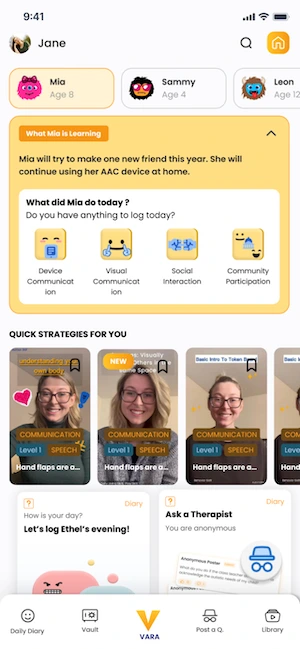
- Plan an exit. If your child becomes overwhelmed, it is okay to step outside or leave. A meltdown is a sign of overload, not bad behavior. If shopping trips are a regular struggle, the VARA app can help you spot triggers and plan calmer outings.
Make the Supermarket Social Story Your Own
A social story works best when it matches your child’s real trip. You can add photos of your local supermarket, the trolley bay and the checkout, use your child’s name, and include the things they can do if it gets too loud, like putting on headphones or asking for a break. The same idea works as a grocery store social story wherever you shop. It also works for other busy outings, such as our going to church social story. For more ideas, see our guide to social stories for kids with autism.


Rachael Young is a behavior analyst with Autism 360, specializing in tailored, evidence-based support that improves daily life for children and their families. She is an Adjunct Instructor at Arizona State University, where she trains the next generation of behavior analysts, and is completing a PsyD in Clinical Psychology to deepen her clinical practice. Rachael is proud to identify as neurodivergent, and that lived perspective shapes the empathy and practicality of her work. She writes about ABA, autism in girls and women, co-occurring conditions and the teen years.

