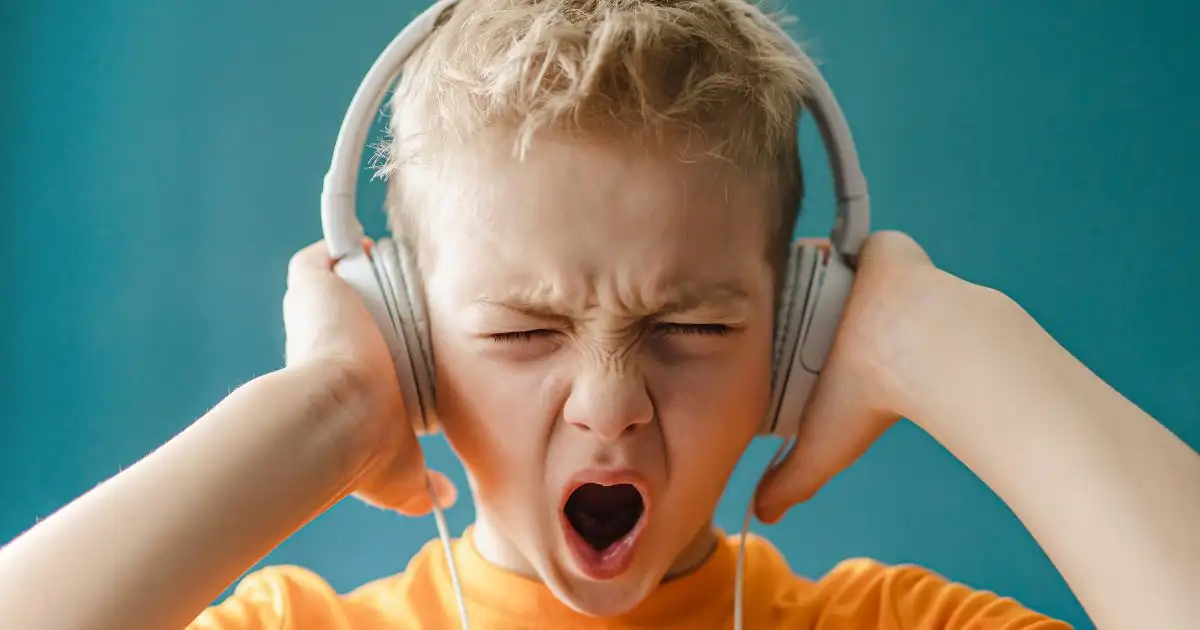
Is sensitivity to loud noises a sign of autism? Yes, it can be. It is often linked to sensory processing differences. Sound sensitivity, also called auditory sensitivity, means reacting more strongly, or differently, to sounds than most people do, which can cause distress and sometimes safety concerns. It is a common characteristic of autism spectrum disorder (ASD). Understanding it helps families recognize autism and support people on the autism spectrum.
Key takeaways: is sensitivity to loud noises a sign of autism?
- Yes, it can be. Sensitivity to loud noises can be a sign of autism, often linked to sensory processing differences.
- Noise sensitivity affects daily life, making classrooms and family gatherings exhausting and disrupting sleep, concentration and communication.
- Brain processing differences make it harder for many autistic people to filter out background noise, so everyday sounds can feel overwhelming.
- Simple supports help, such as noise-reducing headphones, a quiet space at home, warnings before loud sounds and outings at quieter times.
- Ask for extra help from your GP or pediatrician, or an audiologist or occupational therapist experienced with autistic children, if you have concerns.
Many autistic people experience hypersensitivity to sensory input like sound. When everyday sounds feel uncomfortably loud or even painful, this is sometimes called hyperacusis, and it can cause anxiety, discomfort or physical pain. Sound is not the only sense that can work differently: many parents also notice signs of a high pain tolerance and autism in the same child.
Not everyone who is sensitive to loud sounds is autistic, but sound sensitivity is often one of the clearest signs of sensory processing differences. Research suggests that between 50% and 70% of autistic people experience sound hypersensitivity at some point in their lives. This article explores the link between autism and loud noises, and what helps.
How Does Noise Sensitivity Affect Autistic People?

For many autistic people, sensitivity to loud sounds affects daily routines and wellbeing. Ordinary places like classrooms, shopping centers and family gatherings can feel exhausting. Noise sensitivity can increase stress and anxiety, make it harder to concentrate and communicate, and make social activities feel like too much.
Noise can lead to sensory overload, and when someone is already stressed or tired, it takes much less noise to tip them over. Sound sensitivity can also disrupt sleep, which leaves autistic children and adults more tired and less able to cope the next day.
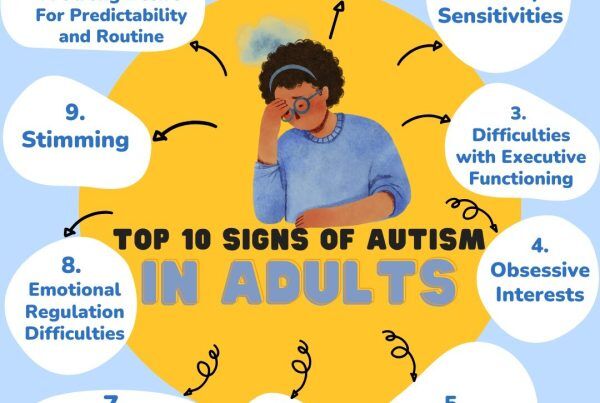
Common triggers include sudden loud noises, busy or noisy environments, high-pitched sounds and repeated sounds. But every autistic person is different. Some are very sensitive to sound, some barely notice it, and some seek out loud sounds. Each person has their own sensitivities and triggers.
Is Noise Aversion a Sign of Autism?
Yes, for some people it is a sign of the sensory processing differences and sound sensitivities that are common in autism. Here are some ways sound sensitivity can affect autistic children:
- Sound sensitivity can make interacting with others harder. It can also make language development harder, because it interferes with processing speech sounds. How much it affects a child varies a lot.
- Telling sounds apart: Many autistic people are sensitive to high-pitched sounds, which can make it harder to pick out speech sounds and understand words.
- Background noise: When the brain can’t easily filter out background noise, following a conversation or spoken instructions becomes much harder.
- Emotional load: The stress and anxiety of a noisy environment can leave autistic children with less energy for communication.
- Pulling back: Some autistic people avoid social situations when the noise is overwhelming. This isn’t about not wanting to connect; it’s about protecting themselves from sensory overload.
Recognizing noise sensitivity, and reducing noise where possible, can make a big difference to the autism symptoms that affect daily life most. Working out a person’s specific triggers helps families, schools and workplaces create more inclusive environments, so autistic people can take part in more activities with comfort and confidence.
What Causes Sound Sensitivity in Autistic People?
The cause of sound sensitivity in autistic people isn’t fully understood, but research suggests it’s related to differences in how the brain processes sensory information. The brain and nervous system process sensory input, filter out sounds that don’t matter and trigger responses. Studies show that autistic brains process sensory information differently, which can lead to stronger or weaker reactions to sounds.
The main causes of sound sensitivity in autistic people:
- Differences in how the brain processes sounds, leading to increased sensitivity
- Finding it harder to filter out background noise, because of how the brain’s auditory processing areas work
- Differences in how each person processes sensory information, which affects how they manage sensory input from their environment
Brain imaging studies have found that areas such as the amygdala and sensory processing regions can show increased activity during listening tasks in autistic people. These differences are also seen in autistic children.
1. Neurological Differences
Some areas of the brain, like the amygdala or sensory cortices, may respond more strongly to sounds, leading to hypersensitivity to noise.
2. Auditory Processing Differences
Background noise can be very distracting or distressing for autistic people because their brains may not filter it out as easily.
Auditory sensitivity can make processing everyday sounds harder still, leading to distress or safety concerns, for example around traffic.
Behavioral hearing tests, which rely on how a child reacts to sounds, are often used with autistic children. They have limits, because a child’s reactions can be affected by attention, anxiety or how they feel that day, not just their hearing.
That’s why results can differ from one test session to the next. If you have concerns about your child’s hearing, ask your GP about a referral to an audiologist experienced with autistic children.
3. Sensory Overload
Too much sensory information at once can be overwhelming. Strategies that reduce sensory overload, such as noise-reducing headphones, planning ahead and regular sensory breaks, help autistic people manage hypersensitivity and can prevent meltdowns.
4. Anxiety and Stress
Anxiety increases overall arousal, so an anxious person becomes even more sensitive to sound.
In many autistic children, the nervous system reacts more strongly to stress and sound, so their bodies respond more intensely in noisy or stressful environments. Reducing stress, as well as reducing noise, helps.
5. Individual Variability
Many autistic people have increased sensitivity to sound, but not in the same way. Some find specific sounds, like a hand dryer or a baby crying, distressing, while others find constant background noise the hardest. This is true for people with high support needs and those with high functioning autism alike: sound sensitivity is common across the spectrum.
It can work the other way too. Speech pathologist Stacy Badon, who coaches Autism 360 families, explains that some children are under-responsive to sound and seek out more of it, by making noise, vocal stimming or turning the TV up very loud. “For some kiddos, they need more auditory input.” She suggests noticing which sounds your child is drawn to and which they avoid, and offering music during play, so you can see the full pattern.
What are the Signs of Noise Sensitivity Among Autistic People?
If an autistic person is sensitive to sound, you may notice them:
- Covering their ears
- Seeming uncomfortable in noisy places
- Reacting strongly to sudden noises
- Being bothered by everyday sounds such as appliances or traffic
- Making their own noise, such as humming, to block out or cope with other sounds
- Avoiding places or situations with triggering sounds
- Trying to stop the source of the sound
- Having meltdowns triggered by sound
- Leaving when they hear a certain sound
- Being upset by radios, TVs, doorbells or vacuum cleaners
📌 MUST READ:
Is Toe Walking a Sign of Autism
Is Covering Ears a Sign of Autism
Is Chewing Clothes a Sign of Autism
How to Help an Autistic Child with Loud Noises
Start by believing your child. If a sound hurts or overwhelms them, it really does, even if it seems fine to you. Then:
- Notice and write down which sounds and places are hardest, and when your child copes best.
- Warn your child before a predictable loud sound, like a blender, hand dryer or school bell, and let them cover their ears or step away.
- Pack ear defenders or noise-reducing headphones for outings, and let your child decide when to wear them.
- Agree on a simple signal or card your child can use when they need a break.
- Talk to their school or child care about a quiet space, seating away from noise, and warnings before fire drills.
- Stay calm during a meltdown. Lower your voice, reduce the noise if you can, and move somewhere quieter.
How Can You Track Which Sounds Are Hardest for Your Child?
Patterns are easier to spot on paper than in memory. After a hard moment with noise, jot down the sound, the place, the time of day, how your child slept, and how long it took them to feel settled again. Add the good days too, such as an outing that went well with headphones. A paper notebook works perfectly well. After a couple of weeks, you may notice that the school hall is fine in the morning but hard after lunch, or that overload is far more likely after a short night.
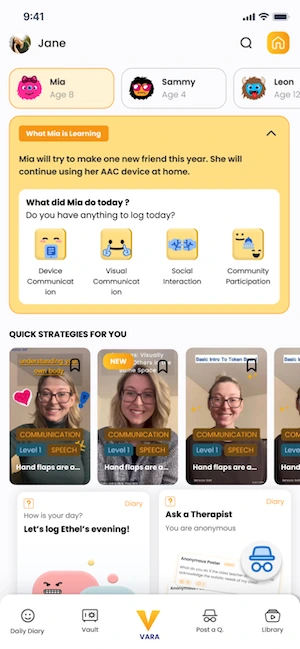
VARA can make this easier to keep going. The Daily Diary gives you quick daily notes on what you practiced, what happened, and the wins and challenges. Short, messy entries are fine. Insight Reports then turn your diary entries into patterns and progress over time that you can share with your child’s clinician, school or a new provider, such as their occupational therapist or teacher. They document patterns; they do not diagnose.
 Daily Diary
Ways to Manage Sound Sensitivity Among Autistic People
Recognizing sound sensitivity and responding to it can make a real difference to quality of life. The right support and practical strategies help autistic people manage sound sensitivity at home, at school and in public.
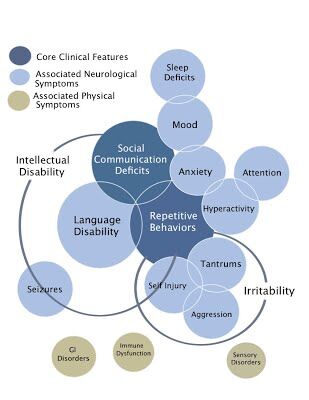
Sound sensitivity and other sensory sensitivities are common for autistic people and people with other developmental differences. Sensory processing disorder and other sensory processing differences often co-occur with autism and affect how people respond to their environment.
Some autistic people also have an intellectual disability, but sound sensitivity can be present regardless of intellectual ability, so strategies should always be tailored to the person. Different approaches work for different people, so try a few and see what suits best.
1. Avoid Noisy Places When You Need To
Avoiding very noisy places can prevent sound sensitivity from being triggered. For example, busy traffic or crowded events are common triggers for sensory overload. It isn’t possible, or desirable, to avoid everything, but choosing which events to skip, or to leave early, can give an autistic person more peace and enjoyment in life.
If your child suddenly refuses to go back into a certain shop or hall, it may not be defiance. The Autism 360 clinical team explains that children store sensory memories, so a place where a loud crash once caused overload can keep feeling unsafe. As the team puts it, describing a child’s thinking: “I’ve stored that sensory experience and I’m not willing to take that risk and that’s very smart of the child.” Ask what happened last time, then plan support, such as headphones or a shorter visit, before trying again.
2. Set a Designated Noise-Free Space
Create a quiet space at home, and ideally at school, where the autistic person can relax and recover from sensory overload. Keep sensory tools there, such as noise-reducing headphones. White noise machines can also help mask triggering sounds and create a calming atmosphere.
3. Cognitive Behavioral Therapy
Sound sensitivity can make daily life hard, and CBT can teach coping strategies and ways to manage the anxiety and big emotions that come with it. Cognitive behavioral therapy, ideally adapted for autistic people, can help autistic children and adults manage anxiety related to sound sensitivity. It’s not about learning to put up with pain, but about having tools to cope.
4. Earplugs/Noise-Canceling Headphones
Earplugs or noise canceling headphones can be freeing, making it possible to enjoy places that would otherwise be overwhelming. A 2018 study found that noise-canceling headphones improved autistic children’s participation at home, in the community and at school, and suggested physical and occupational therapists could use this approach. Headphones reduce sound straight away in public settings.
5. Going to New Places During Quiet Times
New places can be overwhelming, so visit at quieter times of day first, and build up gradually, at the person’s pace. Shopping during quieter hours is a simple way to make outings easier for children with sound sensitivity.
6. Distraction and Comfort
Shifting focus away from overwhelming noise can help. Listening to favorite music, playing with sensory toys or doing something they enjoy can give a sense of control and help an autistic person calm down after sensory overload.
7. Sensory Integration Therapy
Sensory integration therapy (SIT) is an approach where a therapist introduces sensory experiences, like sounds, textures and visual input, in a structured, predictable and playful way, to help autistic people process and respond to them.
Occupational therapy can also help, using sensory diets and coping strategies to make everyday sounds more manageable. Audiologists and occupational therapists experienced with autism are often the best people to support children with sound sensitivities.
How Can You Plan a Calmer Outing to a Noisy Place?
A little planning before you leave the house goes a long way. Pick a quieter time, decide how long you will stay, pack headphones or ear defenders, and agree on a signal your child can use when they need a break or want to leave. Have one calm line ready, such as “It’s loud in here, should we step outside for a minute?”, and use the same quiet, steady response every time, so your child knows what to expect from you. Leaving early on a good note counts as a success.
The hardest part is often remembering the plan in the middle of a busy shop. AI parent coaching in VARA gives you guidance between appointments on applying a strategy in everyday moments, so you feel confident you are doing it right. You can talk through an upcoming party or school event beforehand, then look back on what helped afterward.
AI parent coachingSupporting Autistic People in Relation to Sensitivity to Sounds

Autistic people with sound sensitivity benefit from a range of support and resources that help them manage daily life and protect their wellbeing. With the right support, and environments that make room for sensory needs, everyday life can become much more comfortable and accessible. Here are some key sources of support.
Awareness Programs
Education and autism awareness programs help the wider community understand, accept and accommodate autistic people with sound sensitivity. They often explain that sensory sensitivities, including sound sensitivity, are part of the diagnostic criteria for autism. Their aim is to correct misconceptions and increase acceptance, understanding and inclusion.
When the public understands sound sensitivity better, more places offer quiet hours, sensory-friendly sessions and quiet rooms, and families, educators and employers are better equipped to help.
Help groups and communities
Support groups give autistic people and their families a sense of connection and understanding. They’re a chance to meet people with similar experiences, swap strategies and offer each other emotional support. Being part of a community, especially one that includes autistic adults, can help people feel less alone.
Collaborate with specialists
Autism specialists, psychologists, occupational therapists, audiologists and counselors can help. They can recommend coping strategies and supports tailored to the person’s own sensory profile, and teach stress management and sensory regulation techniques.
Organizations such as the National Autism Center evaluate autism supports and provide guidance on which are backed by scientific evidence.
Is Sensitivity to Loud Noises a Sign of Autism? FAQs
Is not liking loud noises a sign of autism?
It can be, but not on its own. Lots of children dislike loud noises, especially toddlers. It’s more likely to be linked to autism when the reaction is strong, happens often, gets in the way of everyday life, and comes with other autism signs, such as differences in communication, play or routines. If you’re unsure, talk to your GP or pediatrician.
Is a toddler scared of loud noises a sign of autism?
Many toddlers are scared of loud noises like hand dryers, sirens or vacuum cleaners, and most grow more comfortable with time. A fear of loud noises is worth mentioning to your child’s doctor if it is intense, lasts beyond the toddler years, or sits alongside other differences in speech, social connection or sensory responses.
Is noise sensitivity ADHD or autism?
Both. Noise sensitivity is common in autism and also in ADHD, and some people are both autistic and ADHD. In autism it’s usually part of a wider sensory profile, while in ADHD it often shows up as finding it hard to tune out background noise. A full assessment helps tell them apart.
Is sound sensitivity common in high functioning autism?
Yes. High functioning autism sound sensitivity is very common, even when a person has low support needs in other areas. Autistic adults and teens often describe noise as tiring or painful, and may mask their discomfort, so it can go unnoticed for years.
Conclusion
Not every child who reacts strongly to sound is autistic, but sensitivity to loud noises can be a key sign of autism. Recognizing it early helps you put the right support and strategies in place. If you are unsure whether what you are seeing adds up to more than noise sensitivity, our free online autism test is a quick, low-pressure first step. With understanding, and environments that respect their sensory needs, autistic people can manage sound sensitivity and live more comfortably.

Stephanie Collins is Head of Program Delivery and a founding member of Autism 360, and the company’s US spokesperson. Based in Colorado, she is a parent of two autistic children, so she brings both professional and lived experience to her work. Stephanie is a behavior support practitioner and developmental educator with more than 15 years in special education, and she is certified in American Sign Language. She is a well-known community advocate for the needs of autistic girls, and has been interviewed on the topic by news channels including Fox, Channel 9 and Channel 5. Stephanie writes about sensory differences, communication, schooling and ADHD.