




When it comes to the etiology of autism, many theories have been proposed over the last few decades. As autism diagnoses have risen across the United States, Australia and around the world, parents often ask: what causes autism, and why are more children being diagnosed? The short answer is that there is no single cause of autism. Autism is shaped mostly by genes, with some influence from factors before and around birth, and it is not caused by parenting or vaccines. Let’s start with a quick look at the numbers.
Key takeaways: what causes autism
- What causes autism is mostly genes, with some influence from factors before and around birth, not parenting.
- The etiology of autism involves a mix of genetic and environmental factors, and genes play the biggest part.
- Prenatal and birth factors like very early birth, low birth weight and older parental age raise the odds but are not direct causes.
- Not vaccines or parenting. Extensive research has found no link with vaccines, and nothing a parent did after birth caused autism.
- Ask about genetic testing. Your pediatrician may suggest it, which can sometimes find a specific cause or a related health condition worth monitoring.
Autism Numbers on a Steady Rise
Over recent decades, the number of confirmed autism diagnoses has continued to rise. In the United States, the CDC’s most recent estimate is that about 1 in 31 eight-year-olds is autistic (2022 data). Most researchers agree that much of this rise comes from broader diagnostic criteria, greater awareness, better screening, and more girls and adults being recognized, rather than a sudden change in what causes autism. See how autism rates over time have changed.

Fig 1: Autism Facts (the Knowns and Unknowns)

What Is the Etiology of Autism?
First, what does etiology mean? In medicine, etiology means “the causes of a disease or abnormal condition”. So the etiology of autism (sometimes written as autism etiology, autism spectrum disorder etiology or the etiology of autism spectrum disorder) simply means the ‘causes of autism‘. Autism itself is best understood as a lifelong difference in how the brain develops, not a disease. This is the idea behind neurodiversity.
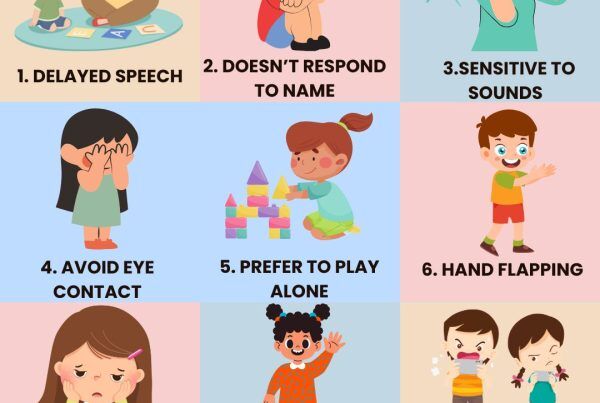
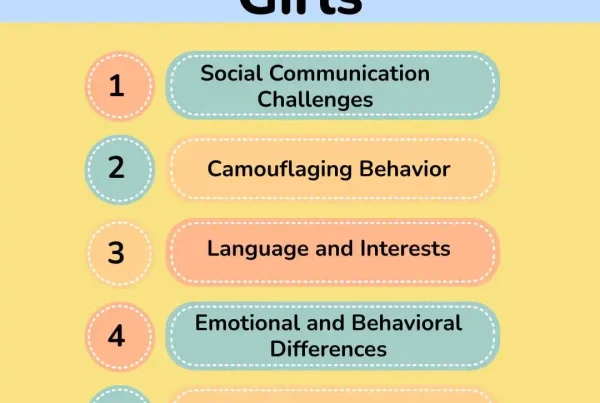
Understanding autism also involves recognizing autism symptoms, which include differences in social communication, repetitive behaviors, deep or focused interests, and sensory sensitivities. Noticing these signs early helps families get timely support.
Autism Speaks is a large US organization that funds autism research, promotes cooperation between research disciplines and helps set standards for collecting data used by the scientific community.

Fig 2: Etiology of Autism, in a Diagram
Researchers usually look at four basic questions when studying autism:
- Etiology of Autism: What are the causes of autism?
- Biology of Autism: What is Autism?
- Diagnosis: How is autism diagnosed?
- Support: What are the options for autism support and treatment?
In this article, we focus on why and how do people get autism? In other words, how is autism caused, and what makes a person more likely to be autistic?
Supporting Facts on Etiology of Autism
Here is what we know today. The etiology of autism involves a mix of genetic and environmental factors, and genes play the biggest part. Large twin and family studies suggest that around 80% of the likelihood of autism comes from inherited genes. Hundreds of genes have been linked to autism, each usually adding a small amount, and some children have a new (de novo) genetic change that neither parent carries.
Research into autism’s etiology often overlaps with studies on other neurodevelopmental conditions, such as ADHD. Understanding the causes of ADHD, including genetic factors, neurotransmitter differences and environmental influences, can give insights into shared ways the brain develops.
Prenatal influences, such as the parent’s health during pregnancy, older parental age and some exposures in the womb, may also contribute. Brain development differences and differences in neural connectivity support autism’s biological basis. There is no single cause of autism: it is shaped by many complex, interacting factors.
What Causes Autism? The 3 Main Causes of Autism Researchers Point To
People often search for “what are the 3 main causes of autism”. Science doesn’t give a neat list of three, but the evidence groups into three main areas:
- Genetics. This is the biggest factor. Autism often runs in families, and siblings of autistic children are more likely to be autistic themselves.
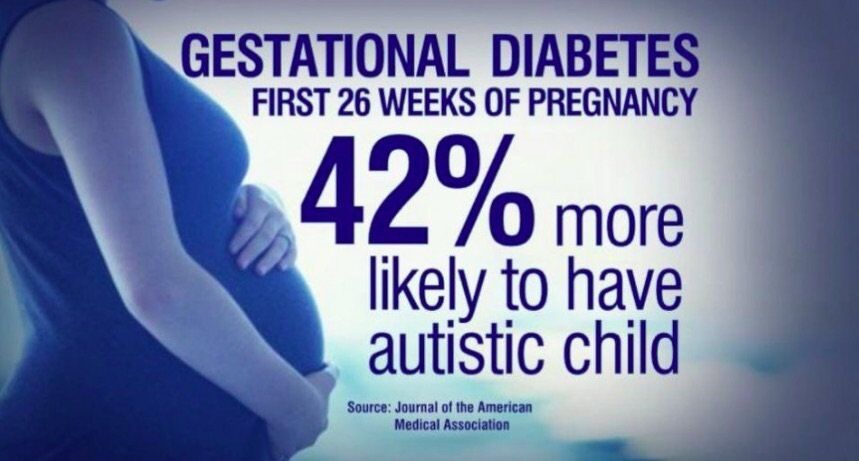
- Prenatal and birth factors. Things like being born very early, low birth weight, older parental age, and some infections or medications during pregnancy are linked to a higher likelihood. These are associations that raise the odds slightly, not direct causes.
- Early brain development. These genetic and prenatal influences shape how the brain grows and connects before birth, which is what we see as autism.
So what causes autism in children? Usually, it’s a combination of these factors working together before birth. Nothing a parent did after birth caused their child to be autistic.
Factors That May Have a Link to Autism

Fig 3: Birth Related Etiology of Autism

Fig 4: CNN Report on Top 3 Environmental Causes of Autism
- Premature birth and pregnancy factors. Being born very early or with low birth weight is linked to a higher likelihood of autism. According to the Centers for Disease Control and Prevention in the United States, these factors are closely tied to autism in children, but they don’t necessarily cause it. The underlying cause may lie in whatever led to the early birth or low birth weight. Research on this continues.
- Genes and nutrients. Genes and nutrients interact as a baby develops in the womb. Some researchers are studying whether things like omega-3 fatty acids or infections during pregnancy affect how cells develop in children who are already genetically more likely to be autistic. This research is at an early stage and doesn’t show that diet causes autism. Similar questions about brain connectivity are being studied in conditions like Tourette Syndrome, where differences in neural connections are linked to involuntary movements or vocal tics.
- The EN2 gene. Some studies have found a link between autism and variations in the EN2 gene, which is involved in early brain development. It is one of hundreds of genes researchers are studying. To learn more, read Is Autism Genetic?
- Pollution and chemicals. Researchers are studying whether exposure to some pollutants during pregnancy, such as air pollution and certain pesticides, may slightly raise the likelihood of autism. These are associations, not proven causes.
- Infections during pregnancy. Some infections during pregnancy, especially ones that cause a high fever, have been linked to a small increase in likelihood, possibly through the parent’s immune response.
- The gut and immune system. Some bacteria produce substances called lipopolysaccharides that can trigger inflammation. Researchers are exploring how the immune system and gut bacteria might relate to brain development, but this is still early research.
What Environmental Factors Cause Autism?
No environmental factor on its own has been shown to cause autism. The factors with the strongest evidence of a link are older parental age, very premature birth or low birth weight, some infections during pregnancy, and exposure in the womb to certain medications, such as valproate (an epilepsy medication). If you’re pregnant and worried about a medication, don’t stop it suddenly. Talk to your doctor first.
Things that do not cause autism include vaccines, parenting style, screen time and what a child eats after birth.
Recently Busted Myths on Etiology of Autism

Fig 5: Etiology of Autism, the Known Factors Linked to Autism
- Mercury. A study published in July 2014 found no link between autism and mercury levels in mothers and their newborns.
- “Rising numbers prove it isn’t genetic.” Some people argue that because autism diagnoses have risen sharply since the 1990s, genetics can’t be the main cause. This isn’t right. Genes are still the biggest factor. Most of the rise is explained by broader diagnostic criteria, more awareness and better access to assessment.
- Vaccines may cause autism. No, they do not!
- Poor parenting or “refrigerator moms”. During the 1950s, a common misconception was that autism was caused by emotionally distant or cold parents. This has been firmly disproven. Autism has nothing to do with how a child is parented. It is one of several common autism stereotypes that still circulate.

Fig 6: What is Nutrigenomics?

Fig 7: Nutrigenomics’ Relation to Health Conditions
Nutrigenomics is the study of how genes and nutrients interact. Some researchers have suggested that nutrition during pregnancy might interact with genes in ways that affect early brain development, and that changes in the food chain (such as more additives, preservatives and pesticides) deserve study.
However, there is no good evidence that autism is a nutrigenomic disorder, or that modern food, cooking methods (such as slow cookers or microwaves) or antibiotics given to babies cause autism. Autism begins before birth, and a child’s diet after birth does not cause it. A balanced diet supports every child’s health, and some autistic children have strong food preferences or sensory sensitivities around food, which a dietitian or occupational therapist can help with.
No Relationship of Vaccines and Autism
There has long been controversy over whether childhood vaccines are linked to Autism Spectrum Disorders. The vaccine most often questioned is the MMR (measles, mumps and rubella) vaccine. Extensive research involving millions of children has found no link between Autism Spectrum Disorders and vaccines. So please don’t put your child at unnecessary risk by avoiding vaccines. Still unsure? Please read Vaccines Cause Autism?
How Does the Autistic Brain Function? What Causes Autism in the Brain
Autistic brains develop and work differently from neurotypical brains, which shapes communication, social interaction, sensory processing and behavior. Key features include:
1. Neurological Connectivity Differences
In autistic people, brain regions often connect differently, with some areas more connected and others less connected. This can support intense focus and deep expertise, while making it harder to bring together information from different brain regions at once. The brain is also remarkably adaptable: the case of a man born without a cerebellum has given researchers clues about a brain region often studied in autism.
2. Sensory Processing Variations
The autistic brain often processes sensory input (sight, sound, touch, smell and taste) differently, leading to hypersensitivity or hyposensitivity. This explains why some sensations can feel overwhelming, while others barely register.
3. Executive Function and Flexibility
Differences in the prefrontal cortex can affect planning, problem-solving and adapting to change. Many autistic people thrive on routine and predictability, and can find unexpected changes very hard.
4. Social and Communication Processing
Brain areas involved in social understanding and facial recognition (such as the amygdala and superior temporal sulcus) may work differently. Autistic people often read and share social cues in different ways, and misunderstandings between autistic and non-autistic people tend to run both ways (sometimes called the double empathy problem).
5. Reward and Motivation Systems
Dopamine and other neurotransmitter pathways in autistic brains may respond differently to social rewards compared with rewards linked to deep interests, which shapes motivation and attention. This strong focus on passions is often linked to autism pattern recognition, allowing deep engagement in areas of interest.


Autism is classed as a neurodevelopmental condition. Some studies suggest there may be a unifying pattern: higher-order association areas of the brain, which connect to the frontal lobe, may be connected differently in autistic children compared with non-autistic children. This research is still at an early stage, but it may help explain the behaviors, thinking styles, wide variety and etiology of autism.
What This Means for Parents
If your child has recently been diagnosed, it’s natural to ask “what is the cause of autism?” and wonder if something you did played a part. It didn’t. Autism isn’t caused by parenting, vaccines or food choices, and it isn’t something that went wrong. Knowing the causes can help in practical ways:
- Let go of blame. Autism begins before birth, mainly through genes. You didn’t cause it, and you couldn’t have prevented it.
- Think about family. Because autism is often inherited, other family members (including parents) may recognize autistic traits in themselves. Siblings may benefit from developmental checks. If you are unsure, our free online autism test can help you decide whether to seek an assessment.
- Ask about genetic testing. Your pediatrician may suggest genetic testing, which can sometimes find a specific cause or a related health condition worth monitoring.
- Focus on support. Whatever the cause, what helps most is understanding your child’s strengths, sensory needs and ways of communicating, and adapting their environment so they can thrive. Our guide to living with autism is a good next step.
FAQs on the Etiology of Autism
What is autism caused by?
Autism is caused mainly by genetic factors, with some influence from prenatal factors such as premature birth, older parental age and certain exposures during pregnancy. In most cases, there’s no single identifiable cause.
What causes autism in the brain?
Genetic and prenatal factors shape how the brain grows and connects before birth. Autistic brains often show differences in connectivity, sensory processing and how different regions communicate.
Can autism be prevented?
No. Autism is a natural variation in brain development, mostly inherited, and there is nothing a parent can do to prevent it. Good health care in pregnancy is still important for both parent and baby.

Ash Bhattacharya is the co-founder and CEO of Autism 360, a global autism brand pioneering parent-mediated intervention. Ash is an autistic adult who grew up in the 1980s with an older autistic brother with high support needs, at a time when there was barely any awareness of autism, let alone acceptance. He saw what his parents faced after his brother’s diagnosis, and how little has changed since for families trying to find support they can afford and access.
That lived experience drives his work. Ash built Autism 360 to put parents in the director’s seat, with the tools, strategies and clinical backing to lead their child’s progress at home. Autism 360 is a registered NDIS provider supporting families across Australia, the USA, Canada and the UK, with outcome-focused programs delivered by speech pathologists, occupational therapists, psychologists and behavior analysts. Ash is a leading advocate for parent empowerment and for making effective autism support affordable and accessible to every family.
It would be very helpful if you provided links and references for the research findings you present. I would love to learn more about the EN2 gene or the nutrigenomic factors in autism, but I’ll have to take the time to do a search on Google Scholar or elsewhere. It would be much more convenient (and your article would be much more substantive) if you added links to any cited study papers above. Keep up the good work though!
Extremely limiting article. What is the common disorder.
It would appear that the environmental factors would be the predominant likely etiologies. What has been offered in the enviornment? Well emf will shut down meridian flow which auto regulates blood flow to the body parts it serves. Oops there is no evidence Of caausality. Perphaps a virus. Why bother to look. No evidence only leads to no liability. Only a brilliant science could come up with such a practical approach.
I thought that the person to absolve himself was Pontius Pilate. Funny weather we have been having, I wonder if it has anything to do with it? Who will save the children when the adults have no control over what is being put in the enviornment. I think it would be best if you let your readers contribute to your list.
Sincerly
G. Goldberg MD
Author: emf and autism
Would you put your head in a microwave oven?