Do I have autism? For many adults, this question comes up after years of noticing that social interactions, communication or sensory experiences feel different for them than for others. Autism, or Autism Spectrum Disorder (ASD), is a lifelong neurodevelopmental difference that shapes how a person experiences and interacts with the world. If you’re asking “am I autistic?”, you’re taking an important step towards understanding yourself better.
Key takeaways: do I have autism
- Formal assessment. The only way to answer ‘do I have autism’ is an assessment with a psychologist or psychiatrist experienced in adult autism.
- Common signs. Adults often notice social situations feeling hard work, a strong preference for routine, hyperfocus, sensory overload and difficulty identifying emotions.
- Reflect first. If you ask ‘could I have autism’, questions about masking, sensory triggers and recovery time can guide next steps.
- Online test first. An online autism test cannot diagnose, but it can help you decide whether to seek a professional assessment.
- Getting assessed. In Australia, ask your GP for a referral or contact a psychologist experienced in adult autism directly.

Let’s look at what autism looks like in adults, how to recognize autism symptoms, and what steps you can take next.
What is Autism in Adults?
Autism isn’t limited to childhood; it’s lifelong. Many adults with autism have gone undiagnosed, especially if their traits were subtle, misunderstood or hidden by years of masking (copying others or hiding autistic traits to fit in). Autism is a spectrum, which means it shows up differently in different people. Some autistic adults need a lot of support with communication or daily life, while others do well academically or at work but find social situations exhausting. This second group is often described as having high functioning autism.
Key characteristics of autism in adults include:
- Social Differences: Reading social cues differently, finding eye contact uncomfortable, or building relationships in your own way.
- Repetitive Behaviors: Preferring routines, or repetitive movements and activities like tapping, pacing or organizing.
- Sensory Sensitivities: Feeling easily overwhelmed by bright lights, loud sounds or strong smells.
- Communication Style: Taking things literally, finding fast group conversations hard to follow, or disliking small talk.
Signs of Autism in Adults
Here are some common signs that may suggest you’re on the autism spectrum:
- Social Situations Feel Hard Work: Feeling out of place in group conversations, or missing jokes and sarcasm.
- Preference for Routine: Routines bring comfort, and unexpected changes can feel overwhelming.
- Hyperfocus: Deep interest in specific topics or hobbies, sometimes to the exclusion of other activities.
- Sensory Overload: Discomfort in busy environments like shopping centers, concerts or open-plan offices.
- Identifying Emotions: Finding it hard to identify or express your own feelings, or to read other people’s.
📌 MUST READ
Signs of Autism in Adults
I Think I Have Autism – What’s Next?
Could I Have Autism? Questions to Ask Yourself
If you’re wondering “could I have autism?”, these questions may help you reflect. Answering yes to some of them doesn’t mean you’re autistic, but it may be worth exploring further:
- Do you feel drained after socializing, even with people you like?
- Have you spent years watching and copying others to know how to act?
- Do certain sounds, textures, lights or smells feel unbearable to you, but not to others?
- Do you need time alone to recover after busy days?
- Do unexpected changes to plans throw you off for the rest of the day?
- Have you always had intense interests that you could talk or read about for hours?
- Have people told you that you come across as blunt, or that you take things too literally?
- Do you relate strongly to autistic people’s descriptions of their lives?
How Do I Know If I Have Autism?
The only way to know for sure is a formal assessment by a psychologist or psychiatrist experienced in adult autism. Before that, you can reflect on the signs above, take an online autism test and talk to people who knew you as a child. If many of these experiences fit, an assessment can give you clear answers.
Autism in Women and Late Diagnosis
Many autistic women, girls and gender-diverse people are diagnosed late, or misdiagnosed with anxiety, depression or other conditions first. They are more likely to mask, so their autistic traits may not match the stereotypes many clinicians were trained to look for. Many adults also start asking “do I have autism?” after their child is diagnosed and they recognize their own experiences. If that’s you, you’re not alone.
Do I Have Autism? Taking the First Step With a Test
If you recognize these signs in yourself, a good next step is to take a test. Take the autism test, designed to help you understand your traits and experiences. It’s a helpful tool for working out whether you may benefit from a professional assessment. An online test can’t diagnose autism, but it can help you decide what to do next.
How to Get an Autism Assessment as an Adult
In Australia, adults can be assessed for autism by a psychologist or psychiatrist with experience in adult autism. You can:
- Talk to your GP, who can refer you to a psychologist or psychiatrist.
- Contact a psychologist with experience in adult autism directly. Many don’t need a referral.
- Write down examples from your life, including childhood, and bring them to your appointment. If possible, ask a parent or someone who knew you as a child for their observations.
- Ask about costs and waiting times up front, as these vary a lot between providers.
Why Getting a Diagnosis Matters
Some adults hesitate to pursue a diagnosis, thinking it’s “too late” to make a difference. But knowing whether you’re autistic can help in many ways:
- Self Awareness: Understand why you experience the world the way you do, and let go of self-blame.
- Access to Support: Unlock resources like therapy, workplace adjustments and peer support.
- Better Relationships: Gain tools and language to navigate friendships, family and romantic relationships.
- Community: Many autistic adults say finding other autistic people was one of the most valuable parts of their diagnosis.
How Can Autism360 Help?
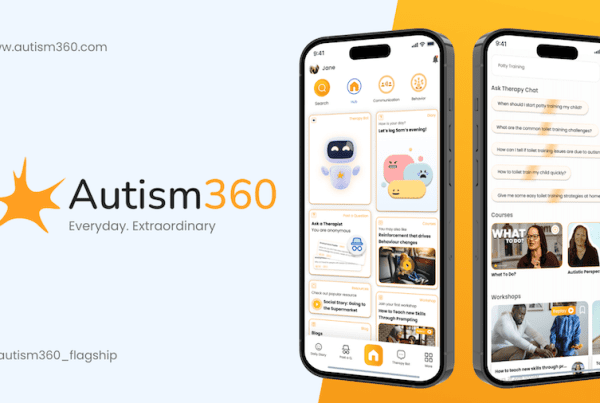
At Autism360.com, we’re dedicated to providing tools, resources and community support for people on the autism spectrum. Here’s what we offer:
- Autism Test: A quick, insightful tool to identify autistic traits
- Expert Guidance: Access to licensed therapists who specialize in autism
- Community Support: Connect with others on the spectrum and share experiences
- Resources for Growth: High-quality courses, workshops and a library of autism-related content
Conclusion
Recognizing the signs of autism can be the first step in answering the question, “Do I have autism?” If you identify with the traits discussed here, consider taking an autism spectrum test or speaking to a professional about an assessment. Understanding yourself can help you access the right support and strategies to thrive. Remember, autism is a spectrum, and everyone’s journey is different. Be kind to yourself through the process, and seek out the resources that work best for you.

Rachael Young is a behavior analyst with Autism 360, specializing in tailored, evidence-based support that improves daily life for children and their families. She is an Adjunct Instructor at Arizona State University, where she trains the next generation of behavior analysts, and is completing a PsyD in Clinical Psychology to deepen her clinical practice. Rachael is proud to identify as neurodivergent, and that lived perspective shapes the empathy and practicality of her work. She writes about ABA, autism in girls and women, co-occurring conditions and the teen years.