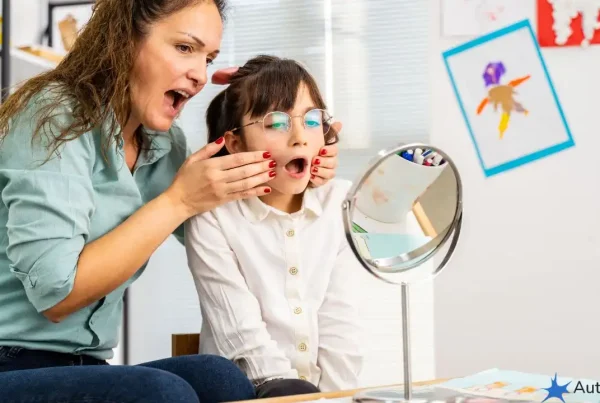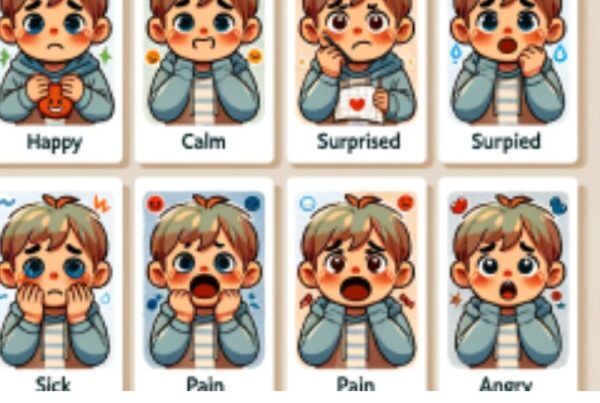

P.E.C.S Communication Cards: Hygiene contains visual aids to help build daily living skills around hygiene. Use them on token boards and visual schedules to communicate with your child. These personal hygiene pictures show everyday tasks such as washing hands, brushing teeth and bathing, so your child can see each step instead of relying on spoken instructions.
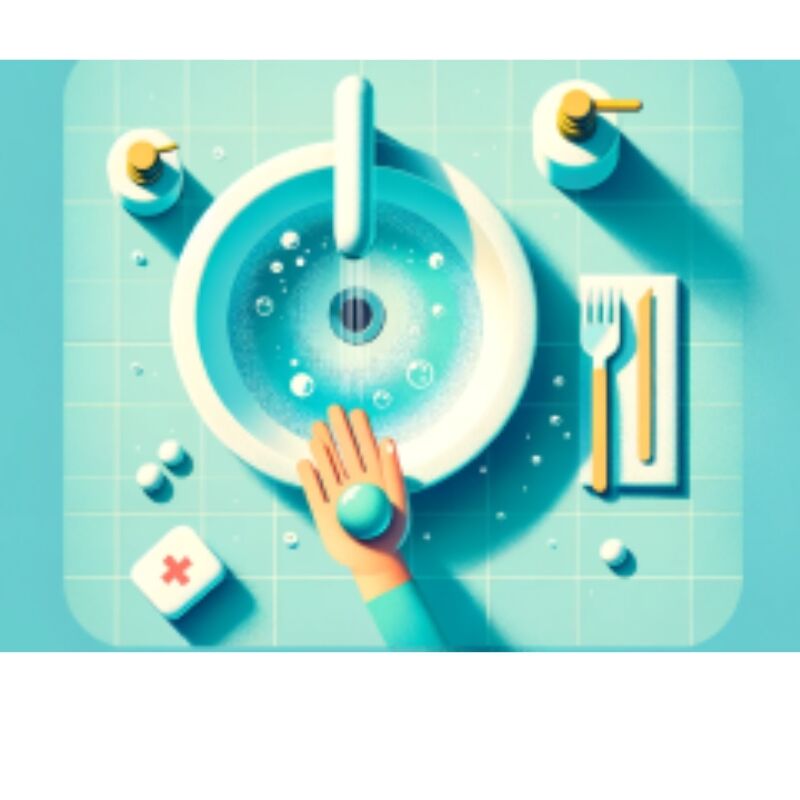
What are Communication Cards: Hygiene?
The Communication Cards: Hygiene set contains visuals (communication cards) that show the different steps or tasks in daily hygiene. Learners can use them to work through their routine, and caregivers can use them when teaching hygiene skills.
These visuals can be used on a visual schedule, a choice board or a first-then board, or with any other strategy for choosing or teaching hygiene tasks.
Learning the steps of hygiene helps a learner stay healthy and become more independent.
How to use these communication cards visuals for hygiene
- Start with one routine, such as brushing teeth, and put those cards in order where it happens. Our guide to help you start a picture routine with your child walks you through setting one up.
- Let your child choose where they can: “Shower or bath?” or “Mint or strawberry toothpaste?” Having a choice gives your child some control.
- Check the sensory side. Toothbrush bristles, water on the face, the feel of a towel or the smell of soap can be genuinely uncomfortable. Swapping products often helps more than repeating the request.
- Use a first-then board for tasks your child finds hard: “First wash face, then iPad.”
- Keep the words short and point to the card, and celebrate each step your child does on their own.
Personal Hygiene Pictures for Every Routine
You can group the cards into short routines and display each one where it happens:
- Hand washing: by the sink, at child height.
- Brushing teeth: on the bathroom mirror or cabinet.
- Bath or shower: on a waterproof strip or laminated card near the tub.
- Getting ready in the morning: face, hair and deodorant steps for older children and teens.
Why Visual Hygiene Cards Help Autistic Children
Hygiene routines have many steps, and spoken instructions disappear as soon as they are said. Pictures stay put, so your child can check what comes next at their own pace. Many autistic children process visual information more easily than speech, and a predictable sequence can make bathroom routines feel calmer and less demanding for everyone. To practice daily living skills like these at home with short guided activities, try the VARA app.
Must Read: How Communication Cards Help Children Learn Body Parts?


Rachael Young is a behavior analyst with Autism 360, specializing in tailored, evidence-based support that improves daily life for children and their families. She is an Adjunct Instructor at Arizona State University, where she trains the next generation of behavior analysts, and is completing a PsyD in Clinical Psychology to deepen her clinical practice. Rachael is proud to identify as neurodivergent, and that lived perspective shapes the empathy and practicality of her work. She writes about ABA, autism in girls and women, co-occurring conditions and the teen years.