


A Calming Checklist helps you identify things to keep nearby that help you feel calm in a stressful situation. It is designed for teens and adults to use as part of their own self-regulation toolkit.
Parents can also use it alongside an older child to work out together what helps. By the end, you’ll have a personal list of calming tools and a simple plan for keeping them close at hand.

Purpose of this Calming List
This calming list helps you work out which things to keep nearby to feel calm in a stressful situation. It is designed for teens and adults to manage their own self-regulation.

How to Use This List
- Choose a calm time. Go through the list when things are settled, not in the middle of a stressful moment. Do it together with your teen, or on your own if you’re a teen or adult using it yourself.
- Tick what genuinely helps. Think about headphones, a fidget, a favorite smell, a weighted blanket, a quiet space, music or a familiar show. Leave anything that doesn’t feel right.
- Add your own ideas. The best calming tools are personal. Notice what already helps, including stimming, movement or time alone.
- Build a calm kit. Pack the ticked items into a small kit for your bag, bedroom or desk, so they’re ready before you need them.
- Agree on a signal. A word, a card or a hand signal can let others know you need a break, which helps if talking feels hard when you’re overwhelmed. Printable calm cards work well for this.
- Review it every few months. What helps can change with age, season or setting.
Stress and overwhelm are often a sign that the environment or demands are too much, so it’s okay to step away and use the kit whenever you need to. Using calming tools is a skill, not a sign of failure. Learning the signs of stress in autism helps you reach for the kit sooner, and if stress keeps building for weeks it can tip into autistic burnout.
Tips and Variations
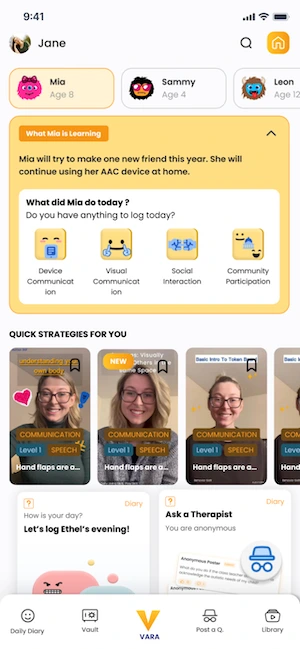
- Keep a photo of the completed list on your phone so it’s always with you. Parents can also note which tools helped, and when, in the VARA app diary.
- Make a second kit for school, work or the car.
- Share the list with teachers, employers or family so they know how to help.
- Include sensory options for different needs: something to hold, something to listen to and somewhere quiet to go.
- Laminate the list and use a whiteboard marker so it’s easy to update.
Frequently Asked Questions
Who is this calming list for?
It’s designed for teens and adults to use for their own self-regulation. Parents of younger children can adapt it by using pictures and choosing items together.
What if nothing on the list helps?
That’s useful information too. Add your own ideas, try changing the environment (less noise, dimmer light, more space), and talk with a trusted professional if stress feels unmanageable.

Rachael Young is a behavior analyst with Autism 360, specializing in tailored, evidence-based support that improves daily life for children and their families. She is an Adjunct Instructor at Arizona State University, where she trains the next generation of behavior analysts, and is completing a PsyD in Clinical Psychology to deepen her clinical practice. Rachael is proud to identify as neurodivergent, and that lived perspective shapes the empathy and practicality of her work. She writes about ABA, autism in girls and women, co-occurring conditions and the teen years.


