
 Few things help you understand autism quite like autism poetry and autism poems. Poetry about autism gives people on the spectrum another way to communicate. It can unlock creative talents, so autistic people can see and value their strengths and differences.
Key takeaways: autism poetry
- Autism poetry gives autistic people another way to express feelings, in rhyme, free verse or short simple forms.
- Autism and poetry make a good match because poetry offers a safe, non-judgmental space to explore feelings through writing and reading.
- Autistic poets worth reading include Tito Rajarshi Mukhopadhyay, a non-speaking writer from India, and Australian author Donna Williams.
- Short autism poems are an easy start, such as acrostic, ‘I am’, five senses, list or found poems.
- Accept any format: typed, spoken, drawn, made with word cards or written on an AAC device all count.
Some autistic people are very talkative, while others find it hard to open up out loud. Poetry gives them a way to express their feelings. Autistic people need safe spaces to explore their thoughts and feelings without being judged, and a blank page can be one of them.
Each poem shows the writer’s own perspective. Whether it’s written by an autistic person, a parent, a caregiver or an autism advocate, autism poetry helps others understand autism and helps autistic people find their voices.
Understanding autism
Autism shapes how a person communicates and connects with others, and how they process and experience the world around them. That brings real challenges in a world built mostly for non-autistic people, and real strengths too.
Every autistic person is different. Many famous figures have been suggested as possibly autistic, such as Charles Darwin, Andy Warhol, Nikola Tesla, Albert Einstein and Steve Jobs, although none of them was diagnosed. Others, like the musician Gary Numan, have spoken publicly about being on the spectrum. As the saying goes, “If you have met one autistic person, then you have met one autistic person.”
After a diagnosis, parents and caregivers may not have much time for big ideas, but writing can help. Poetry lets you record your experiences through hard times and notice how your understanding grows. Over time, many families find they move from simply accepting autism to celebrating neurodiversity.
Using Poetry as a Form of Therapy
According to the National Library of Medicine, poetry has potential benefits for wellbeing and can be a wonderful tool for self-expression and self-discovery.
Poetry can be a great tool to help autistic people through day-to-day challenges. It lets difficult thoughts and feelings flow from your mind onto paper. Autistic people can share their experiences with others and find out they are not alone.
Some people find it easy to write autism poems that rhyme, while others experiment with free verse or other forms. A simple, short structure can help when someone is just getting started.
Art therapists may use existing poems as part of therapy, or encourage autistic children to write their own poems to express feelings and emotions. Either way, autism and poetry make a good match: poetry offers a safe, non-judgmental space to explore feelings through writing and reading.
Writing can also bring up memories and feelings and help people see how they relate to life now. Poetry is often helpful because it:
- Gives a way to express emotions that are otherwise hard to put into words.
- Encourages self-exploration and self-expression, building self-awareness and helping autistic people make sense of what is happening around them.
- Helps people with autism see their circumstances in new ways.
- Validates experiences and builds connection, as people discover others share similar experiences.
- Helps parents and teachers gain valuable insights into children with autism.
Therapists can choose existing poems or invite autistic people to write their own. Short, simple poems about common experiences or emotions work well. Plain language and a sense of hope help too.
Using Poetry to Teach Autistic Children to Write
Many children with autism learn differently, and writing is an important skill for school.
Writing is often hard work for autistic students, because it involves hand coordination, fine motor skills, muscle strength, sensory processing and organization all at once.
Autistic people may show traits such as:
- Communicating differently
- Speech developing later, or not developing
- Repeating certain words or phrases
- Finding other people’s meaning harder to read
- Different social styles
- Stimming, such as hand flapping or finger flicking
A core trait of autism, including high functioning autism, is repetitive or focused patterns of behavior or interest. Simply put, many autistic children have one or more deep interests, often called special interests in autism.
💡 Discover your insights with our high functioning autism test and gain a clearer understanding today.
These deep interests are a gift for teaching poetry. A child who loves trains, space or a favorite game will often write much more freely about that topic. Starting with their passion, rather than steering them away from it, makes writing feel worth the effort.
The Role of Autism Poetry
The poet William Wordsworth described poetry as “the spontaneous overflow of powerful feelings” that comes from “emotion recollected in tranquillity”. It has its own rhythm, and it gathers ideas, images and feelings into a few careful words.
Some poems about autism are deep, while others are light-hearted, sharing what people have learned on their journeys.
Writing poetry lets autistic people turn their thoughts and emotions into words. It lets non-verbal (non-speaking) people express their needs and experiences in writing or by typing.
People with autism can also use poetry to share life-changing moments. Whatever its purpose, autistic poetry uses words carefully, so each word and line has a job to do. The best poems about autism invite readers to imagine, reflect, dream, notice and remember.
Writing and reading poems builds a sense of belonging between the writer and readers. Simply put, poems about autism help autistic people and others feel part of a community. They remind us we are not alone, and that others are on similar paths with similar feelings about where they are and where they want to be.
Reading and writing poems about autism can support growth and wellbeing. Reading poetry about autism can also change how you see things, as you take in the writer’s words and messages.
Poetry for autism lets us see the poet’s world from their own perspective. It is one of many ways to explore autism in the media with your child. It offers insights into human behavior and gives our imagination space to take center stage.
Many people find writing calming, almost like meditation. Shaping thoughts and feelings into a poem helps us loosen up and express ourselves in the way we most need.
Poetry for autism gives autistic people another way to communicate. It lets them share their thoughts, emotions and experiences safely and naturally. It helps children with autism develop their own voice, encouraging self-expression and boosting self-esteem.
Autistic Poets Worth Reading
Reading poetry by autistic writers is one of the best ways to understand autism from the inside. A few well-known examples:
- Tito Rajarshi Mukhopadhyay, a non-speaking autistic writer from India, began writing poetry as a child by typing and pointing to letters. His books include The Mind Tree.
- Donna Williams, an Australian autistic author and artist, wrote poetry alongside her well-known memoir Nobody Nowhere.
Many autistic poets also share their work online and in anthologies. Search for collections written by autistic people, and let your child see that people like them are writers too. Film can do the same on screen, and our guide to films about autism includes several made with autistic writers and actors.
Short Autism Poems to Try at Home
Short autism poems are a great place to start, because they don’t need much writing stamina. Try these simple forms with your child:
- Acrostic poems: write a word down the page (their name, or a favorite topic like TRAINS) and start each line with that letter.
- “I am” poems: each line starts with “I am”, “I like”, “I feel” or “I wish”.
- Five senses poems: one line each for what they see, hear, smell, taste and touch in a favorite place. This is great for children with strong sensory experiences.
- List poems: a list of things they love, things that are too loud, or things that make them calm.
- Found poems: cut out words from magazines or a favorite book and arrange them into a poem, which helps children who find handwriting hard.
Accept poems in any form: typed, spoken, drawn, made with word cards or written on an AAC device. All of it counts.
How to Teach Autistic Individuals to Write Poems
Creative activities can make learning more engaging and help children connect new information to what they already know.
Teaching autistic people how to write poems can help them build new skills and discover more about themselves. Here are a few ways to teach autistic people to create poems:
Get to know your students
When teaching children with autism, be patient and let them take part at their own comfort level. Not all children process information at the same pace, so a flexible, creative approach is essential. Communicate clearly, stay open-minded and keep explanations short, as long explanations can be overwhelming.
Clear directions with visual support, broken into simple steps, help simplify learning for children with autism. The secret to effective teaching is letting go of assumptions and working with each child at their own pace.
Remember that some children with autism find it hard to identify or name their emotions. Autistic students have a wide range of abilities, so no single approach suits everyone. Progress comes from building each child’s skills through their own strengths and interests. Get to know your students before you start teaching them.
Use PowerPoint presentations
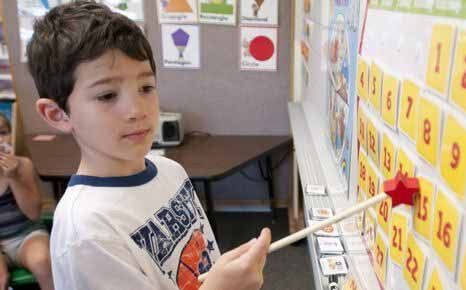
One great way to teach autistic children to write poems is with PowerPoint presentations or other visual slides. Many children with autism learn well through visuals, linking images with the content they are learning. This makes the lesson easier for them, and for you.
Sing and read to your students
Some autistic children find it hard to remember what they’ve been taught, while others have excellent memories. Either way, adapt your lessons to each student’s needs and abilities.
To help them write poems, first help them enjoy poetry. Read to them and sing to them. Reading and singing help many autistic children remember what you’re teaching. Our list of songs about autism is a good place to find lyrics with meaning.
Start by teaching them to say the words or phrases in the poem. Choose a topic they are likely to be interested in.
Teach the title of the poem first, then the words, or ask them to write the words in their notebooks. Start with simple poems or songs. Read or sing to them first to catch their interest. You could teach a new poem or song each day and make up movements or dance moves for each one, to make learning easier and more engaging (and to give children who like to move a way to join in).
Repeat what you’ve already taught to help them remember. Many children with autism learn well with repetition, so start each lesson with a song they already know.
Inspire them
Keep your students motivated by introducing something new in each session. Inspiration matters for learning, as does making it fun.
Get to know each student individually and build a warm connection with them. Find out what makes them comfortable or uncomfortable in and out of class. If they are easily distracted in some settings, adjust the environment. Encourage your students to set their own goals, and create a safe, supportive environment to help them achieve them.
You might also put students in small groups to write a poem together. Give each person a clear role (such as choosing words, writing, or reading aloud), as group work without structure can be stressful for autistic students. Shared writing can be a low-pressure way to connect with peers.
Encouraging parents to be Supportive
While poetry can help autistic children learn and express themselves, they may still face emotional and social challenges, often because the world around them isn’t set up for how they think.
Parents can support their children by having honest conversations with them and advocating for them when they can’t yet speak up for themselves. If you’d like guidance along the way, the VARA app gives parents practical strategies and a way to ask an autism therapist questions.
A parent’s love and support can give autistic children the confidence to advocate for themselves and for others on similar journeys.
When parents believe in their children, children start to believe in their own abilities. You can never go wrong by loving your child. It’s the little things that make a big difference in the lives of children on the autism spectrum.
Autism Poems From Parents
Many parents write their own autism poems, to a son or daughter, or simply to make sense of a new diagnosis. You don’t need to be a poet: a few honest lines about a hard day, a small win or what you love about your child can be powerful to write and, later, to share with them. Emily Perl Kingsley’s “Welcome to Holland”, a short piece about raising a disabled child, is often shared in autism parent groups, though some autistic adults prefer poems written by autistic people themselves.
Parents and caregivers can be messengers and teachers, helping children with autism understand who they are, so they can express their feelings and experiences through poetry without having to fit in with society’s narrow expectations.

Stephanie Collins is Head of Program Delivery and a founding member of Autism 360, and the company’s US spokesperson. Based in Colorado, she is a parent of two autistic children, so she brings both professional and lived experience to her work. Stephanie is a behavior support practitioner and developmental educator with more than 15 years in special education, and she is certified in American Sign Language. She is a well-known community advocate for the needs of autistic girls, and has been interviewed on the topic by news channels including Fox, Channel 9 and Channel 5. Stephanie writes about sensory differences, communication, schooling and ADHD.