
 Many children and teens build friendships quickly through chatting and group play. Autistic children often connect differently. They may prefer one-on-one time, shared interests or quieter settings, and busy social situations can feel tiring or confusing. That can make building relationships take longer, but it doesn’t mean they don’t want connection.
When it comes to autism in the media, emerging research suggests that different forms of media can support autistic children with motivation, communication and social interaction, three areas that shape how many autistic people take part in daily life.
Key takeaways: autism in the media
- Media can help. Autism in the media, from TV and books to apps, can support motivation, communication and social interaction for autistic children.
- Share it together. Books like All My Stripes and shows like Pablo can open up conversations about autism, so preview them and watch together.
- Plan screen time. Autism and screen time can benefit from clear rules, warnings before screens end and devices kept out of the bedroom.
- Check representation. Good portrayals show autistic characters as whole people, so talk about stereotypes and remind your child that every autistic person is different.
- Ask for help. Ask your child’s doctor, therapist or other autism professionals for advice if you have concerns about media use.
If you are raising an autistic child, you may already know that some of these skills take time and support to develop. Learning, communication, adjusting to change, organization, managing big emotions and sensory sensitivities can all be harder for autistic children. You may be wondering whether different forms of media, including TV, social media, video games and apps, can help your child build these skills.
First, a clear answer: media and media representations do not cause autism. In fact, media and devices can help autistic kids express themselves, connect with others and even get organized. Media can also be a gentle way to explore autism with your child, and to see how autism in the media is portrayed.
Autism Spectrum Disorder
Autism is a lifelong neurodevelopmental difference that affects how a person communicates, interacts with others and experiences the world. Autistic people may communicate differently, both verbally and in non-verbal communication, have repetitive behaviors and deep interests, and often thrive on sameness and routine. Support needs vary widely, and many autistic people need support in some areas of life.
Autism is considered a spectrum because it shows up in different ways, and to different degrees, in different people.
Autism symptoms and Media Use
Because the main symptoms of autism often include repetitive behaviors and a preference for routine, some parents worry that their autistic child will spend most of their time on devices, and less time on social interaction, creative play and exercise.
Some studies suggest that autistic kids may develop a preference for media in early childhood, and spend even more time playing video games as teenagers. It is not yet clear whether autistic children use smartphones and tablets more than neurotypical children, but more and more children around the world have their own devices.
Teaching Children with Autism With Various Media
As mentioned above, motivation, communication and social interaction can be harder for many autistic children, and this affects how they take part in social situations.
Technology and other media can be effective tools to support communication, including for autistic children with intellectual disability. Educational media offers resources that help children on the autism spectrum learn, communicate and build independence.
Children with disabilities can use devices like the iPad and iPhone to support communication and language, and to build vocabulary and academic skills using everyday objects they are familiar with. Read more about using an iPad with an autistic child.
Must Read: The Curious Connection between Pokemon’s Satoshi Tajiri and Autism
Autism in the Media: Exploring Autism Together Through Books and TV
Media isn’t only a learning tool. It can also help you talk with your child about autism itself. Seeing autistic characters and hearing from autistic people can help children understand their own brain, feel less alone and feel proud of who they are.
- Picture books: Books such as All My Stripes by Shaina Rudolph and Danielle Royer gently explore what it feels like to be different, and are a good starting point for younger children.
- TV for little ones: Pablo, shown on ABC Kids, follows an autistic boy and his drawings, and the characters are voiced by autistic actors. Sesame Street also introduced Julia, an autistic Muppet. Our list of TV shows about autism has more ideas for different ages.
- For older children and teens: Books written by autistic people, such as The Reason I Jump by Naoki Higashida, can open up honest conversations.
- Autistic creators: Many autistic adults share their experiences through videos, podcasts and blogs, and online communities have even adopted their own symbols, such as the autism creature (the yippee meme). Preview them first, then watch together.
As you watch or read, pause and ask simple questions: “Does that ever happen to you?” or “What do you think she was feeling?” Point out the character’s strengths as well as their challenges. Not every portrayal of autism in the media is accurate, so it’s also worth talking about stereotypes, and reminding your child that every autistic person is different. For film ideas to watch together, see our guide to movies about autism.
What Does Good Autism Representation in Media Look Like?
Good autism representation in media shows autistic characters as whole people, with strengths, challenges, friendships and a voice of their own. It reflects the range of the spectrum (not only boys, geniuses or stereotypes), doesn’t treat autism as a tragedy or something to fix, and ideally involves autistic writers or actors, as Pablo does. Weaker portrayals lean on clichés or make autism the joke. Our roundup of autistic characters on TV and film includes both strong and weaker examples.
Screen Time and Autism
Screen time often appeals to autistic children. Many autistic people find face-to-face social interaction tiring, unpredictable or confusing, and relationships can take more effort. Screens are predictable, can be paused and replayed, and don’t make the same social demands.
Autistic children also often have deep interests in particular topics or activities, and can become intensely focused on them (sometimes called hyperfocus).
With these traits in mind, it’s easy to see why many autistic children enjoy spending a lot of time with media.
Approximately 64.2% of young autistic people spend most of their free time on television and video games, while another 13.2% spend their free time on email and social media platforms.
With parental guidance, autistic children can benefit from screen time. Read on to learn how different forms of media, such as radio, TV, magazines, video games and social media, can benefit your child, and how you can help them use media safely and effectively.
How Technology Can Benefit Autistic Children
Here are some of the many ways autistic children can benefit from using media:
1. Educational use of media
Devices like Chromebooks and laptops are widely used for work and school. Keep this in mind when planning screen time for your autistic child. Help your child tell the difference between using devices for schoolwork and using them for leisure. Setting times for each, and keeping an eye on what they are doing, helps build a predictable routine.
2. Communication
Devices can also help autistic children and adults start and continue conversations. Many apps have built-in features that support autistic people of all abilities.
For example, one app might be designed to help nonverbal (non-speaking) people communicate through AAC (augmentative and alternative communication), while another might help explain social cues.
3. Motivating tools
Tablets and smartphones can be motivating for autistic children and adults. Some families use time on a favorite app as a reward for finishing a task, such as a school assignment or a chore.
4. Visual schedules
Visual schedules on devices can be a fantastic tool for helping children complete everyday tasks and build independence and self-care skills. For example, a visual schedule can help your child understand their routine and manage their time.
5. Decision-making
Autistic people who find spoken communication hard can use media to express their feelings and choices, which builds self-advocacy over time. For example, a child can use a smartphone to point to what they want at a shop or a restaurant.
6. Video modeling
Video modeling is a visual teaching method where a child watches a video of someone demonstrating a specific skill. It’s a simple, effective way to teach skills through a fun and appealing medium.
Autistic children can watch these videos as often as they like, which helps them learn the skill at their own pace. Because the videos are on a smartphone or tablet, many children are more interested in watching them. Video modeling can help with many skills, including self-care, job tasks and independence.
7. Vocational Support
Different forms of media can also help adults and young people with autism at work. For example, step-by-step instructions can help young people complete tasks in an organized way. Notes and reminders can be added to each task so nothing gets forgotten.
8. Social networking
Many autistic people find it easier to interact through social networking sites than face to face. Making friends and chatting online can help children and adults build confidence in connecting with others, which can help at school, at work and in the community.
Children with autism and their parents can look for supportive online communities, where they can learn more about the reasons behind their child’s behavior and how to respond. For parents who are finding things hard, a supportive online group can be a lifeline: a safe place to share experiences, ask for guidance and receive emotional support.
9. Building a Supportive Community
Reliable, accurate information helps parents and caregivers make informed decisions and support their autistic children well. Devices allow families to find trusted information and share resources, including guidance from experts, parents who have traveled the same path, and autistic people themselves.
Helpful Apps for Children with Autism
Autistic children can benefit greatly from autism-friendly apps. Apps and technology in education help break down barriers to learning, giving children easy access to materials tailored to their individual learning needs.
The technology in these apps and websites offers learning programs that build a sense of independence, so children can learn at their own pace.
Check out the following recommended apps for an autism-friendly learning experience.
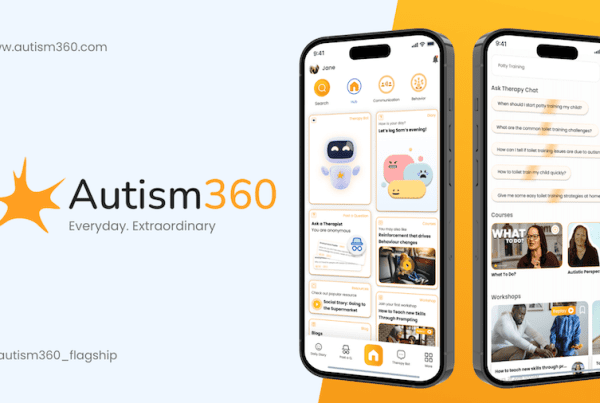
- AUTISM 360™ App (VARA), for parents who want step-by-step strategies and support from autism therapists
- ABC Kids
- GoNoodle
- Pokemon Smile
- Starfall
- Speech Blubs
- Grr-ific Feelings
- Touch and Learn
- First-Then Visual Schedule
- iCan | Special Educational Fun
Consider these tips when navigating social media with your autistic child:
1. Focus on your child’s strengths and interests
If your child enjoys watching videos about dinosaurs, trains or another topic, find child-friendly platforms and watch together. You can also find play activities based on their strengths and interests. Following your child’s interests helps you learn more about them and is a wonderful way to strengthen your bond.
2. Be hands-on early on
Stay involved in your child’s social media use, so you can guide them on how to stay safe and be kind online. Some families start with just one app or website. The aim is to provide practical scaffolding from an early age.
Close supervision takes time, but even a few minutes each day reviewing your child’s social media use can make a big difference.
3. Use media thoughtfully to help your child cope with stress
Children with autism often develop their own ways of coping with day-to-day demands, and turning to a favorite video or game can be a genuinely helpful way to calm down and manage sensory overload. That’s okay. Watching or playing alongside your child can help them regulate. It also helps to build a range of other calming tools, such as movement, a quiet space or a comfort object, so screens aren’t the only option when things get hard.
4. Help your child transition off screens
Because many children with autism become deeply focused (hyperfocus), switching to a new activity can be hard. Transitions away from screens are often difficult, so try timers, turning off autoplay, and having a clear, enjoyable next activity ready.
5. Establish firm boundaries before bedtime
Sleep, exercise and playtime are often already harder to fit in for autistic children, and heavy media use before bed can make sleep even harder. Setting boundaries can be challenging, so try introducing one at a time.
6. Help your child understand how heavy media use affects their brain
Talk with your child, in a way that suits their age, about how too much social media can affect how they feel. The constant information, feedback and stimulation online reaches children while their brains are still developing, which can affect their mental health. Autistic young people are already more likely to experience anxiety and depression, and unmonitored social media content can add to that risk.
7. Set screen time limits with your child
Balanced screen time matters for every child. Agree on reasonable limits together, with set times for schoolwork, leisure and play. A predictable routine helps your child build a healthy relationship with technology.
8. Manage privacy
Use privacy settings to help protect your autistic child from online risks. Check settings regularly on the platforms they use, and teach your child why it’s important to keep personal details private online.
9. Encourage good sleep habits
Heavy media use can increase the risk of sleep problems, including trouble settling, falling asleep and irregular sleep patterns. Good sleep matters for every child and teen who uses media, so make the bedroom a tech-free space and use calming wind-down routines to support healthy sleep.
10. Be mindful of multiplayer mode
Many autistic children enjoy multiplayer online games because they offer connection around a shared interest, with fewer of the demands of face-to-face play. These friendships can be real and valuable. Because of privacy and safety risks, set up games together: use friends-only settings, check voice and text chat options, and talk about what to do if someone makes them uncomfortable. Our guide to autism and video games covers how to choose games and keep play balanced.
11. Encourage Connections
Online interactions can help autistic children and adults build friendships. Social networking sites let young people connect with both neurotypical and neurodivergent peers. Online chats can feel less overwhelming than face-to-face conversations, because there’s less pressure to talk in real time.
Online friendships can sit alongside in-person connections. Look for extracurricular activities built around your child’s interests, where they can meet peers who share them.
12. Beware and protect your child against cyberbullying
Cyberbullying is a major risk for autistic children. It can seriously affect your child’s mental health, leading to more stress, anxiety and distress at school and at home.
Use role-play with clear examples to teach your child about positive online interactions and building two-way friendships. Help them learn about online safety, what cyberbullying looks like and what is generally expected online, and report any inappropriate interactions you come across.
13. Get creative
Show your child that technology isn’t only for games and videos. Install relaxation apps and creative programs that can help your child calm down when they feel overwhelmed.
How to Manage Media Use for Autistic Children
Screens have pros and cons for autistic children, so it helps to set digital boundaries, including times when devices are switched off and put away. Choose clear screen time rules that work for your family.
- Set clear rules for media use and apply them consistently. Agree on how much screen time is available each day or week, and stick to it.
- Use media time as a reward: Some families use screen time as a reward for finishing tasks such as homework or tidying up.
- Monitor your child’s online activities: The online world has scams and other risks, so supervise your child’s online activities. Monitoring apps can help you keep track and set limits for app use.
- Give your child a warning that screen time is about to end: A ten-minute or five-minute warning before tech time ends can make the move from smartphones, tablets, TV and other devices to another activity much easier.
- Avoid media use and screen time before bed: School-age children need 9 to 11 hours of sleep a night. Screens can affect both how much and how well your child sleeps. Keeping phones, computers and TV away before bedtime helps many autistic children fall asleep more quickly.
Striking the Right Balance Every Time
Autistic children often find comfort in the familiar, and digital devices such as smartphones, tablets and computer screens offer a predictable, comfortable way to learn, connect with others and build skills, such as understanding body language, emotions and conversation.
Getting the balance right can support thinking skills and reduce stress and anxiety. At the same time, heavy media use is linked with poorer sleep and mental health in young people, which is why many parents and professionals keep an eye on it.
Seeking Professional Support
When in doubt, ask for advice from your child’s doctor, therapist or other autism professionals who work with autistic children. They can help identify any concerns and offer practical strategies for navigating media use, based on your child’s individual needs, safety and wellbeing.
For additional support, visit Autism360.com to find resources and guidance tailored to your child’s needs.

Stephanie Collins is Head of Program Delivery and a founding member of Autism 360, and the company’s US spokesperson. Based in Colorado, she is a parent of two autistic children, so she brings both professional and lived experience to her work. Stephanie is a behavior support practitioner and developmental educator with more than 15 years in special education, and she is certified in American Sign Language. She is a well-known community advocate for the needs of autistic girls, and has been interviewed on the topic by news channels including Fox, Channel 9 and Channel 5. Stephanie writes about sensory differences, communication, schooling and ADHD.