

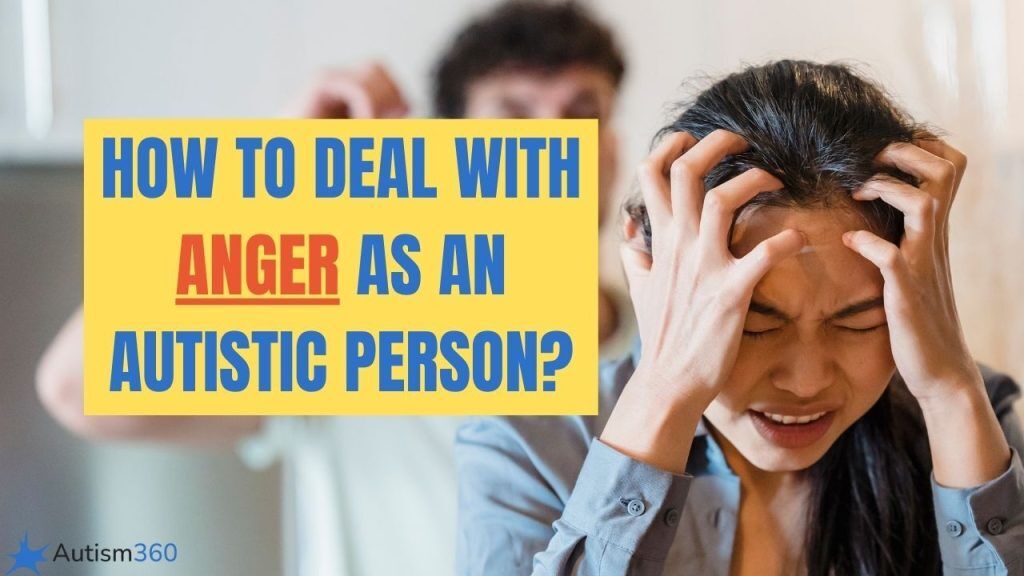
 Autism and anger are often talked about together, but anger isn’t a built-in part of being autistic. Everyone gets angry. For many autistic people, though, anger can build up from daily stress that others don’t see: sensory overload, being misunderstood, sudden changes and constant effort to fit in. When that stress spills over, it can look like it came out of nowhere, calm one moment and an outburst the next. Family members and carers may feel confused or hurt if they don’t understand what’s behind it.
Key takeaways: autism and anger
- Anger builds up. Autism and anger are linked by daily stress such as sensory overload, being misunderstood and sudden change, not by autism itself.
- Find the triggers. Common triggers include communication barriers, sensory overload, routine changes and unmet needs for choice and control.
- Meltdown or anger. A meltdown is an involuntary response to overwhelm, so keep everyone safe, reduce noise and demands, and talk later.
- Try calming tools. Walking, fidget and sensory toys, music, relaxing activities and meditation are coping strategies to try and keep what works.
- Get extra support. Talk to your GP, a psychologist or an occupational therapist if anger or meltdowns are frequent or anyone is getting hurt.
The good news is that there are many practical ways to understand and manage anger as an autistic person. Autism itself isn’t something to cure or fix, but you can learn what drives your anger, change what’s around you and build tools that work for you. In this guide, we look at common triggers and strategies that help.
Understanding Anger Issues in Autism
Anger is a common concern for autistic people and their families. Outbursts usually happen when stress, anxiety or overwhelm build up beyond what a person can manage in that moment. If you are non-verbal (non-speaking), minimally speaking, or find it hard to put feelings into words when stressed, it can be very hard to express what you need. When people don’t understand you, it can feel like you’re being ignored.
That leads to frustration and anger. Autistic and non-autistic people also read social cues and emotions differently, so misunderstandings can happen on both sides, leaving you feeling unheard or misjudged.
Can Autism Cause Anger Issues?
Autism does not cause anger directly, and many autistic people rarely get angry. But autism anger issues are common because of what often comes with being autistic in a non-autistic world: sensory overload, communication barriers, anxiety, sudden change and the exhaustion of masking. Reduce those pressures and anger usually becomes less frequent and less intense. Our guide to how stress affects autistic people covers how to spot it building.
What Triggers Anger in Autistic People
Have you been wondering, “What causes anger in autistic individuals?” Understanding the triggers can help you, your family and your carers handle anger with more confidence. Triggers vary from person to person.
Here are four common triggers:
1. Communication Challenges
Gerald R. Ford once said, “Nothing in life is more important than the ability to communicate effectively.“
Being understood is something people with autism often find hard, often because others don’t understand their way of communicating. An autistic person may find it difficult to express their feelings, needs or wishes at home, in social spaces or at work.
Misreading each other’s nonverbal cues can lead to frustration and anger. It can also lead to isolation, which can feed anxiety. Feeling misunderstood again and again can wear down self-esteem and confidence.
To ease communication barriers and reduce anger, it helps to use communication approaches that suit the person, such as clear and concise language, visual supports and AAC (augmentative and alternative communication) devices. It also helps when the people around an autistic person learn to understand their way of communicating.
2. Sensory Triggers
When an autistic person is overwhelmed by sensory information, they can become very distressed. Everyday sights, sounds and smells that others barely notice can be overwhelming for an autistic person. This overload can lead to meltdowns and anger. Examples of sensory triggers include:
- Crowded spaces can lead to meltdowns and irritability.
- Loud noises can cause anxiety and, in some cases, aggression.
- Strong smells can lead to sensory overload and disorientation.
Managing sensory overload is one of the most effective ways to reduce anger. Sunglasses, noise-canceling headphones and a quiet space all help. Regular sensory breaks can also prevent overload from building up.
3. Routine Disruption
Predictability and routine help many autistic people feel safe and in control. Disrupting an established pattern can cause distress and anger. Changes to the daily schedule, and moving from one activity to another, can be especially hard.
Inconsistent routines can leave an autistic person feeling confused and on edge. At work, it can make it harder to get things done. Over time, constant confusion can affect self-esteem.
Understanding an autistic person’s routine helps you build structure that reduces anger. Visual schedules and advance notice of changes are excellent ways to help someone adapt without feeling anxious.
4. Independence and Unmet Needs
People with level 3 autism need very substantial support with daily life, but they still want choice and control, just like everyone else. Their support needs may not match what parents or carers expect, and they may find self-regulation especially hard.
That gap can lead to frustration and anger, especially if they feel unheard. For example, an autistic person may have an outburst if parents or carers suddenly limit or interrupt an activity they love. These limits can feel like a threat to their independence.
Strategies to Manage Autism and Anger
So, how can you reduce anger and aggression for autistic people? What’s underneath it?
You can only change what you understand. Start by working out the main triggers, then tailor strategies to the person.
As we’ve discussed, these triggers are common, but everyone responds differently. Try a few strategies and keep what works for you.
How Does Autism Anger Manifest?
Adults who experience outbursts may become physically or verbally aggressive (our guide to autism anger in adults looks at this in more depth). Other signs can include:
- Headbanging
- Destroying items
- Self-injury
- Swearing
- Scratching
- Shouting or vocalizing loudly
These are signs of real distress. They are a person’s way of communicating that something is too much, not a choice to be difficult. Here are 5 coping strategies:
1. Walking
Exercise has many benefits for autistic people. As well as keeping you fit, it can improve motor skills, and research suggests physical exercise can lower anger levels.
Aim to walk for at least 20 minutes each day. Exercise releases endorphins, which help calm the nervous system and improve your mood. A brisk walk in nature can be especially calming when you’re angry.
A carer or family member can come along if the autistic person needs support or company.
2. Using Fidget and Sensory Toys
Fidgeting is common for autistic people, and it often helps them regulate. Sensory toys, including fidget toys, are excellent self-regulation tools that help calm the nervous system without getting in the way of focus.
Many people find that keeping their hands busy helps them listen and concentrate. Fidget toys can also ease stress and have a calming effect.
3. Listening to Music
Music is widely recognized as good for mental health and wellbeing, which makes it a great tool for calming anger.
Favorite songs or calming rhythms can help an autistic person settle and reconnect after a meltdown. Music can also be a way to connect and communicate with others without words.
➡ Must Listen! Discover Autism Songs for calming and connection. Tune In Now!
4. Relaxing Activities
When anger builds, try activities that calm your body: take a nap, do some yoga or breathing exercises, or try calming scents such as chamomile, peppermint or lavender if you enjoy them.
Other activities include:
- Art therapy
- Massage or deep pressure
- Calming scents
- Animal-assisted therapy or time with a pet
- Social stories
- Chewable jewelry
5. Meditation
Mindfulness and meditation can be valuable tools for managing anger in people with autism. Research, including MRI studies, suggests meditation can reduce stress responses in the brain. It’s simple and free, and many people find it makes a real difference. Short guided sessions or apps can be an easy way to start.
Meltdown or Anger? Knowing the Difference
Not every outburst is anger. A meltdown is an involuntary response to being completely overwhelmed. It isn’t a choice, and the person often can’t stop it once it starts. A shutdown is a quieter version, where the person withdraws, goes silent or can’t respond.
During a meltdown, the most helpful things are to:
- Keep everyone safe, including the autistic person.
- Reduce noise, light and demands, and give space.
- Use as few words as possible, and speak calmly.
- Wait. Talk about what happened later, once everyone is calm.
Anger, on the other hand, often builds more gradually, which gives you a chance to notice early signs (a racing heart, clenched fists, feeling hot) and use a coping strategy before it peaks. For autistic adults, we cover this in more detail in handling meltdowns as an autistic adult.
Long Term Techniques for Anger Management
Coping techniques help in the moment, but their effects can be short-lived. Outbursts that involve destroying things or headbanging can be distressing and unsafe for everyone, and can put strain on relationships.
Alongside exercise and other in-the-moment strategies, longer-term approaches can make anger easier to manage over time.
Emphasis on emotional awareness
Understanding your emotions and how they show up in your body helps you respond in ways that work for you. It can also make relationships and social situations easier. Emotion cards and feelings charts can help you name and share what you feel.
Many autistic people find it hard to notice and name emotions as they build up (sometimes called alexithymia or interoception differences). Learning your early warning signs, with the help of a psychologist or occupational therapist, can make it easier to take a break before stress tips into a meltdown.
Carers and parents can help autistic people by:
- Validating their emotions
- Creating a supportive and calm environment
- Helping with routine activities
Emotional awareness can make communication easier, and being able to express yourself clearly can help at home, in relationships and at work.
Using Communication Tools
Autism affects behavior and communication in different ways. When an autistic person feels unheard or ignored, their anger can escalate. People with nonverbal autism may have a lot to say but need other ways to say it.
This is where communication boards come in handy. With these tools, autistic people can express themselves by pointing at images or symbols.
Speech generating devices (SGDs) are excellent communication tools for many autistic people. They produce speech from visual symbols or typed letters. These tools are very useful, though some can be expensive. In Australia, NDIS funding may cover AAC devices for eligible participants.
Positive Reinforcement
Anger can sometimes lead to damage at home, and that’s stressful for everyone. Positive reinforcement can help over time, as long as it focuses on building new skills rather than simply stopping behavior.
So, how do you go about it?
Notice and celebrate the moments when a coping strategy works. For example, if your teenager goes to their room to calm down instead of banging doors, acknowledge it and offer something meaningful, like time on a favorite activity, a book they’ve wanted or one-on-one time with you. The goal is to give them better ways to express big feelings, not to punish feelings themselves. Our behavior management masterclass for parents walks through this approach step by step.
Creating a Calm Environment
Noise is a major anger trigger for many autistic people. If you notice this, create a quieter space at home, move to a quieter area when you can, or use noise-canceling headphones or soundproofing.
Support from Family, Friends, and Caregivers
Friends, family and carers play a huge role in managing autism and anger. They can create a safe and calm environment where an autistic person can express their emotions, and help identify anger triggers and find solutions together.
As a carer or relative, you can help an autistic person learn strategies to manage anger. You can also build a supportive network to share resources, experiences and practical help, and look after your own wellbeing too.
How to Deal with Autism Anger in Children
With autistic children, start by looking for the pattern: when, where and after what does the anger happen? Then change the environment before asking your child to change. Lower noise and demands, give warnings before transitions, and offer a calm-down space they choose. Stay calm and use few words in the moment, and teach feelings words and coping tools later, when your child is settled.
When to Get Extra Support
Talk to your GP, a psychologist or an occupational therapist experienced with autism if anger or meltdowns are happening often, if anyone is getting hurt (including through self-injury), or if anger is affecting work, school or relationships. Anxiety, depression, sleep problems and pain can all make anger worse, and they can be treated. A professional can help work out what’s behind it and build a plan that fits.
Conclusion
Everyone experiences anger, but it can look different for autistic people. Taking time to understand sensitivities and triggers will help you manage anger. Encourage open communication so autistic people can express their needs freely, in whatever way they communicate.
A sensory-friendly environment can make a huge difference. Above all, it’s about patience, a supportive space and empathy.

Stephanie Collins is Head of Program Delivery and a founding member of Autism 360, and the company’s US spokesperson. Based in Colorado, she is a parent of two autistic children, so she brings both professional and lived experience to her work. Stephanie is a behavior support practitioner and developmental educator with more than 15 years in special education, and she is certified in American Sign Language. She is a well-known community advocate for the needs of autistic girls, and has been interviewed on the topic by news channels including Fox, Channel 9 and Channel 5. Stephanie writes about sensory differences, communication, schooling and ADHD.