




Interactive tool · about 1 minute
Build a Classroom Supports List for ADHD and Autism
Pick what is hardest in class and get a list of supports a teacher can put in place. Copy it and share it.
Question 1 of 2
Who is using this?
ADHD and autism in the classroom can make learning harder, but the right adjustments make a real difference. Discover how ADHD and autism affect learning, and explore practical strategies to support students with both.
Key takeaways: ADHD and autism in the classroom
- ADHD and autism in the classroom can make learning harder, but the right adjustments to the room and routine make a real difference.
- Reward what goes well with positive or differential reinforcement, using rewards the child helps choose rather than threats or punishments.
- Autistic students learn best with less sensory load, a predictable day, clear literal instructions and lessons built around their interests.
- Structure lessons simply with one instruction at a time, visuals, movement breaks, fidget tools and long projects broken into smaller parts.
- If a strategy isn’t working, ask the school for a meeting to update your child’s learning plan, such as an IEP.
Do children with attention deficit and Autism Spectrum Disorder feel too constrained in classrooms? For many, the honest answer is yes. Look at it from the child’s point of view: staying in one seat for hours and trying to focus on lessons is hard. Remember your own school days? Many children with ADHD in class find it hard to sit still, listen quietly and concentrate on the subject. Is ADHD a learning disability? Not quite. ADHD is a neurological difference, and it affects attention, activity levels and impulse control, which can make classroom learning harder without the right support.
Keeping up with learning all day can be exhausting and frustrating. Kids with autism and ADHD often work much harder than others can see, just to manage noise, movement, instructions and social demands. The goal isn’t to make them act like everyone else. It’s to change the classroom so they can learn in the way that works for them. Clear, specific goals and regular encouragement help a lot. Meaningful rewards that the child actually cares about work far better than threats or punishments.
How to Help a Child with Autism or ADHD Focus in the Classroom

Both parents and educators have a role to play in helping a child with ADHD or high functioning Autism focus in classroom settings. The strategies below can help, but every child is unique, and what works for one child may not work for another.
Here are some helpful references you can use. In this post, we focus on one specific strategy (more on that below).
- Basic Teaching Strategies
- Supporting Behavior in the Classroom
- 30 Day ADHD Organization Plan
- Understanding the ABC’s of Data Sheets
- Visual Aids for Learning
One technique that often helps quickly is positive or Differential Reinforcement: noticing and rewarding what is going well, rather than focusing on mistakes. The key is a plan where rewards match the effort and achievement, and where the child has a say in what the rewards are.
Why Classroom Settings Are Hard for Kids with ADHD and Autism

Teachers need to know the strengths and challenges of each child in their classroom. Look for the student who stares out of the window during math, the one who can’t stay in their seat, or the one who answers a question with another question. Inattention, hyperactivity and impulsivity are ADHD traits, and they often overlap with autism symptoms such as sensory overload, a need for predictability and different ways of communicating. These are not choices. The child’s brain is working differently, and focusing in a busy classroom takes a lot of effort.
These differences can affect the whole class and take time away from teaching. A child might call out, move around the room, forget to write down homework, or find writing slow and tiring because of fine motor differences. They might finish homework but forget to bring it in. Messy handwriting is common too. Behavior like this is usually communication: the child is bored, overwhelmed, anxious or needs to move. Read more on how to handle violent autistic behavior.
Organization is often a big challenge for children with ADHD. Tasks with many ordered steps, such as long division, lengthy equations or long-term projects without check-ins, can feel overwhelming. This is not laziness. It’s a difference in executive function (the brain’s planning and organizing system). Some children’s grades suffer, and telling off, detention or criticism rarely helps; it usually makes things worse. Many children with ADHD develop low self-esteem, and parents can feel their child’s needs are being missed. Download our Kit on Getting your child organized for school.
How to Support a Child with Autism in the Classroom
Many autistic students also have ADHD, but autism brings its own needs. If you’re wondering how to manage autism in the classroom, start with the environment rather than the child:
- Reduce sensory load. Fluorescent lights, scraping chairs and noisy corridors can be overwhelming. Offer headphones, a quieter seat or a calm corner.
- Make the day predictable. A visual timetable on the desk and warnings before changes (like a relief teacher or an assembly) lower anxiety.
- Communicate clearly. Use literal, specific language and give written or visual instructions as well as spoken ones. Allow extra processing time.
- Use their interests. A student’s passion for dinosaurs, trains or Minecraft can be a doorway into reading, math and writing.
- Respect different social styles. Group work and eye contact can be draining. Give clear roles in group tasks and let students listen without looking at you.
- Plan for overwhelm. Agree on a break card or signal so the student can leave before a meltdown, not after.
Students with autism in the classroom do best when teachers, parents and the student work together and review what’s working every term.
Autism Strengths in the Classroom
Autistic students bring real strengths to school. Many have deep knowledge of their favorite topics, strong memory for facts, close attention to detail, honesty and a love of patterns, rules and systems. Teachers who build lessons around these strengths, for example by letting a student lead a short presentation on their interest, often see better focus, confidence and connection with classmates.
ADHD and Autism in the Classroom: What Educators and Parents Can Do
Patience. Creativity. Consistency. As a teacher (and as a parent), you need plenty of each. Your role is to guide the child on a learning journey and keep checking what works. Each child has their own needs and strengths, and you need to understand both to build a strategy that helps.
Focus! Stay on task! Help each child use their full capabilities!
Three Part Success Plan
The most important thing is a positive attitude. It is also the most effective tool. Once you have that:
- Make every adjustment you can to make learning easier for students with ADD/ADHD.
- Choose your teaching methods carefully. In other words, plan your instructions carefully (see the autism teaching strategies link above).
- Plan quiet, respectful ways to help a student refocus without drawing attention to them. Hand signals, sticky notes and a quiet word all work well. It’s better to let small, unintentional behaviors go if they’re not distracting other students or stopping the lesson.
Keep the following points in mind too. They help reduce distractions even further.
Classroom Strategies for Autism and ADHD
Seat the student with ADHD away from the door and windows, so there’s less going on to pull their attention outside. Near the front often works well, as long as they don’t block the view of the students behind them. Preferential seating is a common part of an Individualized Education Plan (IEP), or an Individual Learning Plan in Australian schools. Ask the student where they feel most comfortable too, as some autistic students prefer the back of the room or an edge seat. Then:
- Give instructions one at a time, and be ready to repeat them.
- Teach the hardest material early in the day.
- Use visuals like charts, pictures and color-coding.
- Give outlines for notes, so information is organized as it’s delivered.
- Provide a quiet area to work in.
- Avoid long, timed tests. Shorter, more frequent tests work better. If a student prefers an oral test or a fill-in-the-blanks format, go with it rather than forcing a different type.
- Break long-term projects into smaller parts, each with its own deadline. Let the student use a computer where possible.
- Don’t punish late work. Partial credit is fine.
- Give the student a master notebook with separate, color-coded sections for each subject, plus sleeves for homework, completed work and letters to parents. Check that they’re not just writing assignments and dates down, but using the notebook too.
These strategies for autism and ADHD in the classroom (many of them are also standard ADHD accommodations in the classroom) help not only the student who needs them, but the whole class.
Teaching Strategies for ADHD Students to Maintain Focus and Concentration
Teaching students with ADHD works best when lessons are structured, active and varied:
- Signal the start of a lesson with a sound, such as a chime or timer. Use further signals to mark the time remaining. Put a list of activities on the board. (Keep sounds gentle if you have students with sound sensitivity.)
- Open the lesson by summarizing what students are going to learn, what you expect from them and what materials they’ll need. Keep instructions simple and structured.
- Check in with ADD/ADHD students while giving instructions, for example by standing nearby or using their name. Don’t insist on eye contact, as many autistic students listen better without it. Vary the pace and include short, related activities, such as quick competitive games.
- Build in frequent movement breaks.
- Offer fidget tools such as stress balls as a physical outlet for restlessness.
- Start with easier questions and build up, so students feel success early.
Ending a Lesson
A few points to keep in mind when ending any lesson:
- Summarize the key points of the lesson on the board and have students repeat them, first a few and then the whole class together. Do the same when you give an assignment.
- Be specific, not vague, especially about homework.
How to Parent a Child with ADHD and Autism
School is only part of the picture. At home, you can:
- Keep a simple homework routine. Same time, same place, short bursts with movement breaks in between.
- Stay in touch with the teacher. A quick weekly email or communication book helps you catch problems early and celebrate wins.
- Protect downtime. Many kids hold it together all day and fall apart at home. A calm, low-demand hour after school can prevent meltdowns.
- Praise effort, not just results. Children with ADHD and autism hear a lot of correction. Notice what they’re doing well, out loud.
- Advocate early. If a strategy isn’t working, ask for a meeting to update the learning plan. Our home to school transitions masterclass shows you how to prepare for that meeting and keep communication with teachers consistent.
For more details, see our post on approaches for Teaching Children with Autism & ADHD in the classroom.
ADHD and Autism FAQs
What are the strategies for students with ADHD and autism?
Should people with adhd and autism be separated from the other students?
How to support a child with ADHD in the classroom?
What are the characteristics of adhd students in the classroom?
How does ADHD affect a child outside of the classroom?
How does autism affect learning in the classroom?
References
- Visual Tools for Learning
- Does Autism & ADHD Education need a facelift?
- Leverage Autism & ADHD Symptoms to Improve Reading

Ash Bhattacharya is the co-founder and CEO of Autism 360, a global autism brand pioneering parent-mediated intervention. Ash is an autistic adult who grew up in the 1980s with an older autistic brother with high support needs, at a time when there was barely any awareness of autism, let alone acceptance. He saw what his parents faced after his brother’s diagnosis, and how little has changed since for families trying to find support they can afford and access.
That lived experience drives his work. Ash built Autism 360 to put parents in the director’s seat, with the tools, strategies and clinical backing to lead their child’s progress at home. Autism 360 is a registered NDIS provider supporting families across Australia, the USA, Canada and the UK, with outcome-focused programs delivered by speech pathologists, occupational therapists, psychologists and behavior analysts. Ash is a leading advocate for parent empowerment and for making effective autism support affordable and accessible to every family.

Hello,
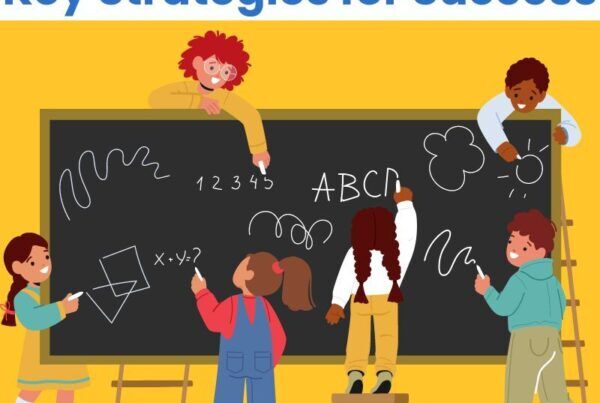
My name is Sharon Shelton and I am a graduate student. I would like to use the image under the heading – The Problem that Kids with ADHD/Autism Have Classroom Settings – in my thesis defense presentation. The image will be used for educational purposes only.
Thank you.
Hi i am lily i am 13 and i struggle with ADHD and asd
I have a 7 year old that has ADHD and Austim he is in 2nd grade and he is having so much trouble learning. He is running away from the teachers and just climbing the walls. He is having trouble paying attention in class. I need some expert information on what I should do. Maybe change schools or just keep him home for school all together. He loves school and wants to be a part of it but with his mind he cant.
Personally, I found that doing some form of physical exercise before the day really started, well it helped me a lot. Going for a run or chasy type games. Anything that gets the metabolism pumping. It is a great way to focus.