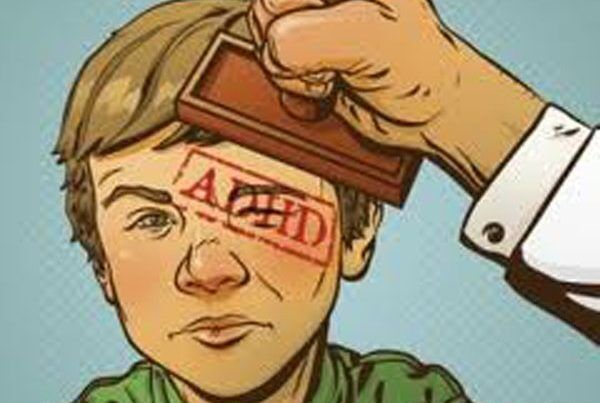
ADHD is one of the most commonly diagnosed neurodevelopmental conditions, and many more people are thought to have ADHD without a diagnosis. Both children and adults are being identified more often than in the past. This guide looks at ADHD and addiction, and why substance abuse and ADHD so often go together.
Key takeaways: ADHD and addiction
- Closely linked. ADHD and addiction often go together, and teens who had ADHD in childhood are at higher risk of later addictions.
- Why risk rises. Impulsivity, restlessness and seeking quick rewards make substances more tempting, and some people use them to cope.
- Medication worry. People who take ADHD medication as directed are not put at extra risk of substance abuse because of it.
- Watch for patterns. Look for sudden changes in friends, mood or sleep, falling grades, missing money, or running out of prescribed medication early.
- Get help early. Start with your GP, who can refer you to specialists, and ask for support that treats both conditions together.

ADHD is characterized by traits such as impulsivity, distractibility and acting before thinking through the consequences.
Many people with ADHD find it hard to keep their focus on everyday tasks, especially ones that don’t interest them.
US data has estimated that around 6.4 million children aged 4 to 17 have received an ADHD diagnosis.
Around 4 percent of adults are also estimated to be living with ADHD symptoms, many of them without a diagnosis or support. If that sounds like you, a free online ADHD test for adults can be a first step.
Numerous studies suggest a link between substance abuse and ADHD. One line of research focuses on the links between ADHD in childhood and future substance abuse in teens.
📌 Must Read:
- Is There a Connection Between ADHD and Fatigue
- Pregnancy and ADHD: Do Unhealthy Diets Hold the Clue?
- A Quick Guide to Recognizing Depression Symptoms in ADHD Children
Teens who had ADHD in childhood or early adolescence are at higher risk of later addictions, ranging from drug use to alcohol dependence.
The good news is that research also points to effective ways to support young people with ADHD, so they can lead healthy, fulfilling lives.
This guide explains how ADHD can be linked to substance abuse, the warning signs that someone may be developing a problem, and where to get help.
If you are living with an addiction, have been diagnosed with ADHD, or both, you are not alone.
Acknowledging what’s going on and reaching out for help is always worthwhile. There are many kinds of support available, and being open to help can make a real difference to your health.
The Links Between Substance Abuse and ADHD Uncovered
Co-occurrence, or comorbidity, is when two or more conditions are present at the same time. Sometimes one contributes to the other, and sometimes they feed into each other. A similar pattern is seen in autism and addiction.
For example, a person with ADHD might develop anxiety because of the pressure they feel to keep up in environments that aren’t set up for how their brain works.
Higher stress is linked to increased substance use, which is one reason ADHD and substance abuse are connected.
Drugs, nicotine, alcohol and other addictive substances produce a quick reward. They trigger the release of dopamine, a chemical messenger in the brain.
With prolonged use, the brain starts to treat these substances as if they are necessary. Over time, this changes how the brain’s reward system works and how it responds to natural sources of dopamine.
Continued use can make quitting very hard, because the body produces strong cravings and withdrawal signals when the substance is missing.
Signs Substance Use Is Becoming a Problem
There are important warning signs that can help you notice alcohol or drug abuse.
Substance use often starts to affect daily life. Using a substance less often doesn’t necessarily mean there isn’t a problem.
For example, someone who smokes marijuana (weed) regularly might start missing school or falling behind on other responsibilities.
Some people think that not using every day means the drug isn’t being abused, but research suggests otherwise.
Sudden changes in behavior can be the first sign of a growing dependence. A person might withdraw from their friends or lie about how much they are using.
When people feel their substance use is being controlled, they may find other ways to get the substance, some of which may be illegal or dangerous.
Prescription medication can also be misused if it isn’t taken as the doctor prescribed.
For example, taking larger doses than prescribed, or taking medication in a different way, can be a sign of a bigger problem.
When someone is addicted, they often need more of the substance over time to feel the same effect.
Why Are People With ADHD More Likely to Develop an Addiction?
ADHD traits like impulsivity, restlessness and seeking quick rewards, along with differences in the brain’s dopamine system, make substances more tempting and harder to stop. Stress, low self-esteem, sleep problems and depression add to the risk, and some people use substances to self-medicate. Support for ADHD lowers that risk.
A study led by researchers from the University of Pittsburgh School of Medicine found a real link between being diagnosed with ADHD in childhood and substance use later on.
Young people with ADHD were found to be 15 percent more likely than their non-ADHD peers to try substances by around age 17.
ADHD traits such as impulsivity and difficulty sustaining attention are linked with a higher risk of substance abuse.
One reason may be that impulsivity can lead to acting quickly in risky situations, such as experimenting with different drugs or binge drinking. The same ADHD thrill seeking drive shows up in other areas of life too.
People with ADHD also often experience other mental health conditions, such as depression. Research has also linked ADHD and self harm, particularly in girls who have experienced trauma.
Some people try to self-medicate by drinking or using substances heavily.
Others may misuse prescribed medications or try illicit drugs to escape daily frustrations.
Children and adults with ADHD can feel isolated or misunderstood, and may turn to substances as a way of coping.
Does ADHD Medication Lead to Substance Abuse?
Many parents worry that ADHD medication itself could lead to later substance abuse. Researchers from the University of California, Los Angeles reviewed the evidence and found that teens treated with ADHD medication were not at greater risk of future substance abuse because of their medication.
The researchers aimed to put this misconception to rest. People who have taken, or are taking, ADHD medication as directed are not put at extra risk, as the medication is meant to ease their existing symptoms. Stimulants do carry other risks worth knowing about, including rare psychotic symptoms on ADHD stimulants.
ADHD and Addiction: Warning Signs Parents Can Watch For
ADHD and addiction often develop quietly, and early signs can look like ordinary teenage changes. Watch for patterns, rather than one-off events:
- Sudden changes in friends, mood or sleep
- Falling grades, skipping school or losing interest in activities they used to love
- Missing money or valuables, or secrecy about where they’ve been
- Running out of prescribed medication early, or asking for refills sooner than expected
- Smelling of alcohol or smoke, or having red eyes or unusual tiredness
- Using substances to calm down, sleep or “switch off”
If you notice these signs, start with curiosity, not punishment. Many young people with ADHD use substances to cope with restlessness, stress, rejection or trouble sleeping. Understanding what the substance is doing for them helps you find safer ways to meet that need.
What can be done if you or your loved one is struggling with addiction and ADHD?
Whether it’s you or someone you love who is living with addiction, remember that addiction is complex and has many layers.
There are strategies to help prevent addiction, but addiction is never simply a person’s fault, and neither is it the fault of their family or friends.
Change often begins with recognizing there’s a problem. If you feel your life is being seriously affected by addiction, directly or indirectly, reach out for help straight away.
Many people aren’t sure who to turn to at times like these.
Your doctor is a good place to start, but you can also talk to people you trust and feel comfortable with.
That might be a parent, partner, doctor or a teacher you trust. You don’t have to go through this alone, and the people close to you can help you take the first steps towards recovery.
If you suspect your child may be using substances, learn the warning signs above and think ahead about how to talk with them.
This matters because many children and teens find it hard to talk openly about their problems. Some may not realize they are becoming dependent and need help.
After you’ve talked, see your GP or pediatrician with your notes to discuss the next steps for your child’s health.
Sometimes a person who is struggling with addiction doesn’t realize how their behavior is affecting others. It also helps to understand that there may be more than one condition underneath. Autism and ADHD often occur together, and if that feels possible, our free online autism test is a simple place to start before raising it with your doctor.
ADHD often comes with low self-esteem, sleep problems and depression. Together, these can make a person more vulnerable to dependence on substances.
Many different factors play a part in addiction, so a good plan looks at all of them.
If the problem has become serious, consider bringing in qualified professionals to help. Don’t try to manage withdrawal or self-medicate without proper medical guidance.
A qualified practitioner can make the process safer and improve the chances of success.
There are many options for supporting someone with substance abuse and ADHD.
ADHD and Addiction Treatment
Having an addiction and ADHD at the same time is not unusual. Health professionals recommend a personalized plan that often involves therapy, with medication if needed.
Integrated treatment is key. This means both conditions are supported at the same time, by professionals who work together towards the same goals.
A practitioner from the Substance Abuse and Mental Health Services Administration has said that these personalized plans can reduce costs for patients while providing a more lasting solution.
If you currently take a stimulant medication for ADHD, talk to your doctor about whether a non-stimulant or long-acting formulation might suit you better. These are harder to misuse and can support recovery.
Professional support can help you manage both conditions, including your ADHD symptoms.
For example, a psychologist or therapist can help you work through what’s driving your substance use, including causes you might not be aware of.
Look for a psychiatrist or therapist with experience supporting people with ADHD.
A professional who understands ADHD will know how to adapt sessions to suit you, which can make it easier to stay engaged and build a stable life free from addiction.
Sometimes substance use problems are diagnosed before ADHD. In these cases, a psychiatrist can assess whether ADHD is contributing to the addiction.
This helps you get a complete plan that supports all of your needs.
Where to Get Help in Australia
- Your GP: a good first step for both ADHD and substance use concerns, and can refer you to specialists.
- National Alcohol and Other Drug Hotline: 1800 250 015, free and confidential, 24 hours a day.
- Lifeline: 13 11 14 for crisis support at any time.
- In an emergency, call 000.
Conclusion
Addictions and ADHD are closely linked, and this connection can increase the risk of substance abuse if it isn’t addressed. People with ADHD may turn to alcohol, nicotine or drugs to cope with impulsivity, restlessness or trouble focusing. Over time, this can lead to dependence and make ADHD symptoms harder to manage. The good news is that early diagnosis, the right support and understanding from the people around them can greatly reduce these risks. With good care, education and healthy coping strategies, people with ADHD can manage their symptoms safely and build a healthier, substance-free future.

Ash Bhattacharya is the co-founder and CEO of Autism 360, a global autism brand pioneering parent-mediated intervention. Ash is an autistic adult who grew up in the 1980s with an older autistic brother with high support needs, at a time when there was barely any awareness of autism, let alone acceptance. He saw what his parents faced after his brother’s diagnosis, and how little has changed since for families trying to find support they can afford and access.
That lived experience drives his work. Ash built Autism 360 to put parents in the director’s seat, with the tools, strategies and clinical backing to lead their child’s progress at home. Autism 360 is a registered NDIS provider supporting families across Australia, the USA, Canada and the UK, with outcome-focused programs delivered by speech pathologists, occupational therapists, psychologists and behavior analysts. Ash is a leading advocate for parent empowerment and for making effective autism support affordable and accessible to every family.