
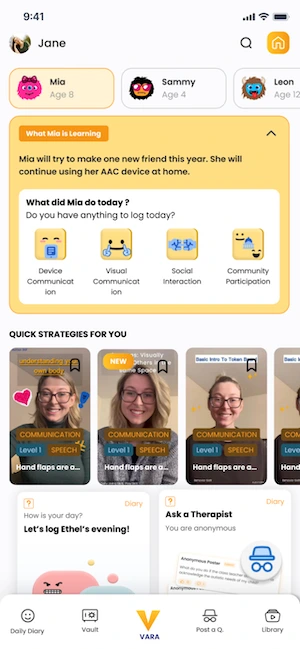
Watch a short clip from our webinar on autism and PDA. You can watch the full webinar in the Autism 360 app here.
What is PDA?
Pathological Demand Avoidance (PDA) is a profile of autism (autism spectrum disorder, or ASD), and the right PDA strategies can make daily life much calmer. It is not a separate diagnosis in the DSM-5, but many clinicians and families use it to describe a particular pattern of needs. Some autistic people prefer to call it a Pervasive Drive for Autonomy. It is characterized by an anxiety-driven need to avoid everyday demands and requests, which can make daily life hard for children and their families. Children with a PDA profile often have an intense need to feel in control, and avoiding demands is how they cope when anxiety rises. The good news is that the right strategies for PDA, built on trust, flexibility and lower pressure, can make a real difference.
Key takeaways: PDA strategies
- PDA strategies lower anxiety by reducing pressure, sharing control and building trust, because avoiding demands is how these children cope with anxiety.
- Demand avoidance is anxiety. It can look like refusal, excuses or negotiation, and it is not a choice or bad behavior.
- Offer choices, not commands. Offer real options and use indirect, declarative statements instead of direct commands, which place a demand.
- Keep routines flexible. Predictable routines and calm, low-stimulation spaces help, and on hard days it is okay to drop non-essential demands.
- Get PDA-informed help. A psychologist or occupational therapist who understands PDA can help you work out what fits your child.
Understanding the PDA Profile
Children with a PDA profile often have characteristics that set them apart from other autistic children. These may include high levels of anxiety, sensory sensitivities, and differences in social interaction and communication. Many are also imaginative, creative and good with words. It helps for parents and caregivers to recognize these traits and understand how they affect a child’s daily life, because common parenting approaches (firm instructions, rewards and consequences) often increase anxiety for a child with PDA. For a fuller picture of what PDA autism means, see our main guide.

Case Studies From Real Life Experiences
James, a young autistic child with a Pathological Demand Avoidance (PDA) profile, had high levels of anxiety and sensory sensitivities that made attending mainstream school very hard. His parents noticed that the noise, crowds and rigid routines of school increased his anxiety and led to more demand avoidance. Recognizing that he needed a more personalized approach, James’ parents decided to move him to homeschooling.
In his new homeschool environment, James flourished. With the ability to tailor the learning environment to accommodate his sensory needs and anxiety triggers, James felt more comfortable and secure. His parents incorporated sensory-friendly tools and created a calm, quiet space where James could retreat when feeling overwhelmed. By reducing environmental stressors and allowing James to learn at his own pace, his anxiety levels decreased, and his engagement in learning activities increased.
Stan: Tailoring Strategies for Individual Needs
Stan, a young autistic boy with a Pathological Demand Avoidance (PDA) profile, had quite different needs from his older brother, who is also autistic but does not have PDA traits. Strategies that worked well for his brother did not work for Stan, so his parents needed approaches tailored to his demand avoidance.
Stan’s parents discovered that offering him choices and plenty of genuine encouragement helped reduce his anxiety around demands. They also found that breaking tasks into smaller, more manageable steps prevented overwhelm and frustration. By closely observing Stan’s reactions and preferences, his parents were able to adjust their parenting style and communication methods to better suit his individual needs. Through patience, consistency and a deep understanding of what Stan needed, they were able to support his development and foster his independence.
Francisco: Addressing Constant Meltdowns
Francisco, a young child diagnosed with autism and Pathological Demand Avoidance (PDA), had frequent meltdowns and big mood changes, particularly during transitions and in unfamiliar situations. His parents noticed that the demands and expectations of primary school exacerbated his anxiety and led to frequent emotional dysregulation.
To support Francisco, his parents worked closely with his teachers and school support staff to put in place strategies suited to his PDA profile. They created a personalized support plan that included visual schedules, sensory breaks, and calming techniques to help Francisco manage his emotions and cope with transitions more effectively. By providing consistent support and understanding, Francisco’s teachers created a safe and nurturing environment where he felt accepted and valued.
Zara: Coping with Aggression and Avoidance
Zara, a young girl diagnosed with autism and Pathological Demand Avoidance (PDA), found the demands and social expectations of school very hard. Starting school led to episodes of aggression and avoidance, which worried her parents and teachers alike.
Recognizing the needs behind Zara’s distress, her parents sought support tailored to her. They worked with school professionals to develop a support plan that took into account her PDA profile, her speech and language differences, and her dyspraxia. This plan included strategies such as visual supports, social stories, and sensory accommodations to help Zara navigate social interactions and regulate her emotions more effectively.
Through consistent use of these supports and ongoing teamwork between home and school, Zara’s parents saw her feel much safer and more settled at school. By understanding and responding to the needs behind her behavior, Zara’s support team created an inclusive and supportive learning environment where she could thrive academically and socially.
Key Characteristics of PDA and Their Implications
Excessive Anxiety and Demand Avoidance
One of the hallmark characteristics of PDA is high anxiety, particularly in response to demands or requests from others. Children and adults with PDA often feel overwhelming anxiety when faced with even simple tasks or instructions. This anxiety drives a strong need to avoid demands, which can look like distraction, refusal, making excuses or negotiation. The need to avoid demands becomes a central part of daily life for people with PDA, and it can make everyday activities and interactions very hard. It is not a choice or a sign of bad behavior. It is anxiety. This is one reason PDA is sometimes confused with ODD and autism, even though the drivers are different.
Surface Sociability and Superficial Compliance
Unlike some other autistic profiles, children with PDA may show surface sociability and what can look like compliance in certain situations. They may seem outgoing, sociable and confident with others, especially when they feel in control or when it helps them avoid an immediate demand. This is not manipulation. Social strategies are often how a child with PDA keeps their anxiety manageable and holds on to a sense of autonomy. Many children with PDA genuinely want connection, but find it hard to cope with social hierarchy and with being told what to do. A child who seems fine at school may be masking, and then release their distress at home, where they feel safe.
Need for Predictability and Control
Many people with PDA find changing circumstances or expectations very hard, especially when the change is imposed by someone else. They often thrive when they have predictability and a say in their routines and preferences. A change from their preferred way of doing things can trigger intense anxiety and avoidance. This goes beyond routine activities to include social interactions, transitions and unexpected changes in plans. As a result, people with PDA may feel heightened stress and frustration in situations that require them to adapt or compromise on someone else’s terms. Our guide to coping with change with autism has more on preparing for transitions.
Language and Communication Differences
Language and communication differences are common in people with PDA, although they may look different from other autistic profiles. Many children with PDA have strong language skills and a wide vocabulary, yet find pragmatic language (the social side of language) hard, such as picking up social nuances, reading tone of voice or keeping a back-and-forth conversation going. Their communication style may be talkative, literal or very much their own, and others may misread their intentions. Misunderstanding runs both ways, so it helps for adults to adjust how they communicate too. These social difficulties in autism can look different in a PDA profile, but the same understanding helps.
Emotional Dysregulation and Mood Instability
Emotional dysregulation and quick mood changes are common in PDA, often because of the underlying anxiety and the pressure of demands. Children with PDA may have frequent and intense distress, including what looks like tantrums, meltdowns or episodes of aggression. These are not deliberate. They are signs of a nervous system in overload, and a way of regaining a sense of control when everything feels too much. They can still be very hard for children with PDA and their caregivers, disrupting daily routines, relationships and wellbeing, which is why lowering anxiety is the heart of every good PDA strategy.
PDA Strategies for Parents
Parenting a child with PDA takes patience, understanding and a tailored approach. Whether you are searching for PDA autism strategies, autism PDA strategies or pathological demand avoidance strategies, the same core idea applies: lower anxiety by reducing pressure, sharing control and building trust. Here are eight strategies for PDA that parents can use at home:
1. Flexibility and Collaborative Approaches
- Children with PDA often respond well to flexible and collaborative approaches. This involves giving them choices and allowing them to have a say in how tasks are completed.
- For example, instead of issuing commands, parents can offer options and let the child decide the best course of action.

2. Recognize and Validate Your Child’s Feelings
Understanding and acknowledging the anxiety and distress driving demand avoidance is crucial for parents. Instead of dismissing or minimizing their child’s concerns, parents should validate their feelings and emotions. By offering empathy and reassurance, parents can help their child feel understood and supported, laying the foundation for effective communication and collaboration.
3. Implement a Flexible and Predictable Routine
Establishing a flexible and predictable routine can provide a sense of stability and security for children with PDA. While maintaining a routine is important, parents should be willing to make adjustments and accommodations based on their child’s individual needs and preferences. Flexibility within the routine allows for the recognition of their child’s autonomy and reduces the likelihood of resistance or anxiety in response to unexpected changes.
4. Use Positive Language and Choices
Language plays a significant role in shaping interactions and outcomes for children with PDA. Instead of issuing commands or demands, parents can use positive language and offer choices so their child feels in control, which makes cooperation easier. Providing options allows the child to maintain a sense of control while still meeting the desired outcome. For example, instead of saying, “You have to brush your teeth now,” parents can offer choices such as, “Would you like to brush your teeth before or after reading a story?” Indirect, declarative language can help too. Statements like “I wonder if the toothbrush is ready” or “The car is leaving in five minutes” share information without placing a direct demand.
5. Break Tasks into Manageable Steps
Breaking tasks or activities into manageable steps can help alleviate feelings of overwhelm and anxiety for children with PDA. Parents can provide clear and concise instructions, focusing on one step at a time to prevent information overload. Using visual aids, such as checklists or visual schedules, can further enhance understanding and promote independence. By scaffolding tasks and offering support as needed, parents can empower their child to successfully navigate challenges and build confidence over time. Our guide to teaching life skills to an autistic child shows how to use this approach with everyday tasks.
6. Create a Calm and Low-Stimulation Environment
Sensory sensitivities are common among individuals with PDA and can contribute to feelings of distress and overload. Parents can create a calm and low-stimulation environment at home by minimizing noise, clutter and bright lights. Providing sensory-friendly spaces equipped with comfort items such as weighted blankets, fidget toys or noise-canceling headphones can help regulate sensory input and promote relaxation. Creating designated quiet areas where the child can retreat when feeling overwhelmed allows for self-regulation and emotional self-care.
Watch a short preview of our webinar on PDA and autism below
To watch the full replay and to get access to hundreds of Autism resources, download the Autism 360™ App  https://www.autism360.com
7. Foster Collaborative Problem-Solving
Collaborative problem-solving empowers children with PDA to participate in finding solutions to challenges and conflicts. Parents can engage their child in open and honest discussions, encouraging them to express their thoughts, concerns, and preferences. By fostering a collaborative approach, parents demonstrate respect for their child’s autonomy and encourage the development of problem-solving skills and emotional regulation strategies.
8. Seeking Professional Support and Resources
Parenting a child with PDA can be isolating and exhausting, and it’s important for parents to prioritize self-care and seek support when needed. Connecting with other parents of children with PDA through support groups or online communities can provide validation, empathy, and practical advice. Hearing how autistic adults describe demand avoidance from the inside, as in our masterclass on autistic adults’ experiences, can be just as valuable. Additionally, seeking guidance from professionals specializing in autism spectrum disorders, PDA-informed support, and occupational therapy can offer valuable insights and strategies tailored to the child’s unique needs.

Managing PDA in Daily Life
Navigating the day-to-day challenges associated with Pathological Demand Avoidance (PDA) requires a multifaceted approach that encompasses understanding, patience, and adaptability. Parents and caregivers of children with PDA often find themselves in a unique position, balancing the need for structure and predictability with the recognition of their child’s individuality and autonomy. Here are some practical tips for managing daily life with a child who has PDA traits:
1. Establishing Routines
While flexibility is crucial in accommodating the dynamic nature of PDA, establishing predictable routines can provide children with a sense of security and stability. Collaborating with the child to develop structured routines that align with their preferences and interests can help foster a sense of ownership and control. By involving the child in the process of creating routines, parents can empower them to take an active role in managing their day-to-day activities.
2. Providing Clear Expectations
Clear and consistent communication helps a great deal in daily life with PDA. Explain expectations calmly and simply, keep demands to the ones that really matter, and break tasks and responsibilities into manageable steps to prevent overwhelm and frustration. By providing clear instructions and offering support as needed, parents can help their child navigate daily tasks with greater confidence and success. Additionally, setting realistic expectations ensures that both parents and children have a shared understanding of what is expected, fostering a collaborative and supportive environment.
3. Implementing Sensory Strategies
Sensory sensitivities are common among children with PDA and can significantly impact their daily functioning. Parents can implement sensory strategies to create environments that support their child’s sensory needs and promote emotional regulation. This may include incorporating sensory-friendly elements such as weighted blankets, fidget toys and noise-canceling headphones into the child’s daily routine. Creating designated sensory spaces where the child can retreat and self-regulate can also provide a safe haven for managing sensory overload and anxiety.
4. Lowering Demands on Hard Days
Children with PDA have a limited “tolerance for demands” that changes from day to day. When your child is tired, unwell or already anxious, even small requests can tip them into overload. On those days, it is okay to drop non-essential demands, such as a bath or a tidy room, and focus on safety, food, sleep and connection. This is not “giving in”. Lowering demands lowers anxiety, and a calmer child is more able to manage demands later.
5. What Often Backfires With PDA
Many families find that approaches that work for other children make things harder for a child with PDA. These include sticker charts and rewards that feel like pressure, consequences and punishments, praise that is loud or very public, and repeating or escalating instructions. If a strategy is increasing your child’s distress, it is worth pausing and trying a lower-pressure approach instead. A psychologist or occupational therapist who understands PDA can help you work out what fits your child.
PDA Strategies for Teachers
Many of the same PDA strategies work in the classroom. Teachers can:
- Use indirect, declarative language (“I wonder who could help with the books”) instead of direct instructions.
- Offer real choices about how, where or when work gets done. The same approach helps with autism homework refusal at home.
- Build in a safe, quiet space and agreed break signal.
- Reduce public praise and attention, which can feel like pressure.
- Work closely with parents, as a child who seems fine at school may be masking and releasing distress at home.
Conclusion
In conclusion, managing PDA in daily life requires a holistic and compassionate approach that acknowledges the unique needs and challenges faced by individuals with PDA. By embracing the complexity of PDA and fostering a supportive environment grounded in understanding and empathy, parents and caregivers can empower their children to thrive and reach their full potential. Through education, awareness, and advocacy, we can work towards creating a more inclusive society that values neurodiversity and honors the experiences of individuals with PDA. By embracing complexity and compassion, we can build a brighter and more inclusive future for all.
Watch the full webinar on autism and PDA from our app here.
References
- Smith, J. (2020). Understanding Pathological Demand Avoidance: Strategies for Parents. Journal of Autism Studies, 8(2), 123-135.
- Jones, L., & Williams, K. (2019). Managing PDA: A Practical Guide for Parents and Caregivers. London: Jessica Kingsley Publishers.

Ash Bhattacharya is the co-founder and CEO of Autism 360, a global autism brand pioneering parent-mediated intervention. Ash is an autistic adult who grew up in the 1980s with an older autistic brother with high support needs, at a time when there was barely any awareness of autism, let alone acceptance. He saw what his parents faced after his brother’s diagnosis, and how little has changed since for families trying to find support they can afford and access.
That lived experience drives his work. Ash built Autism 360 to put parents in the director’s seat, with the tools, strategies and clinical backing to lead their child’s progress at home. Autism 360 is a registered NDIS provider supporting families across Australia, the USA, Canada and the UK, with outcome-focused programs delivered by speech pathologists, occupational therapists, psychologists and behavior analysts. Ash is a leading advocate for parent empowerment and for making effective autism support affordable and accessible to every family.